Without getting into all the complexities of exposure, shutter speed and aperture settings. And how they all relate to each other. We will save that for another day.
Today’s photo tips on how to improve your backgrounds, mainly using you aperture settings. Controlling your aperture or also known as f stops is a great way to improve the backgrounds in your photographs.
One of my first photography mentors told me on our first meeting, your background is everything. A bad background will ruin a great picture so start with a great background and work your way from there.
There are a few ways to improve your background in a picture. From framing your shot to make the background as pleasant as possible, the use of a longer lens which by its nature compresses the background or by adjusting your aperture to blur the background.
All of those techniques work great to improve your backgrounds and you can combine all of those as well. But in this instance we are mainly taking about aperture and the f stops.
Example 1
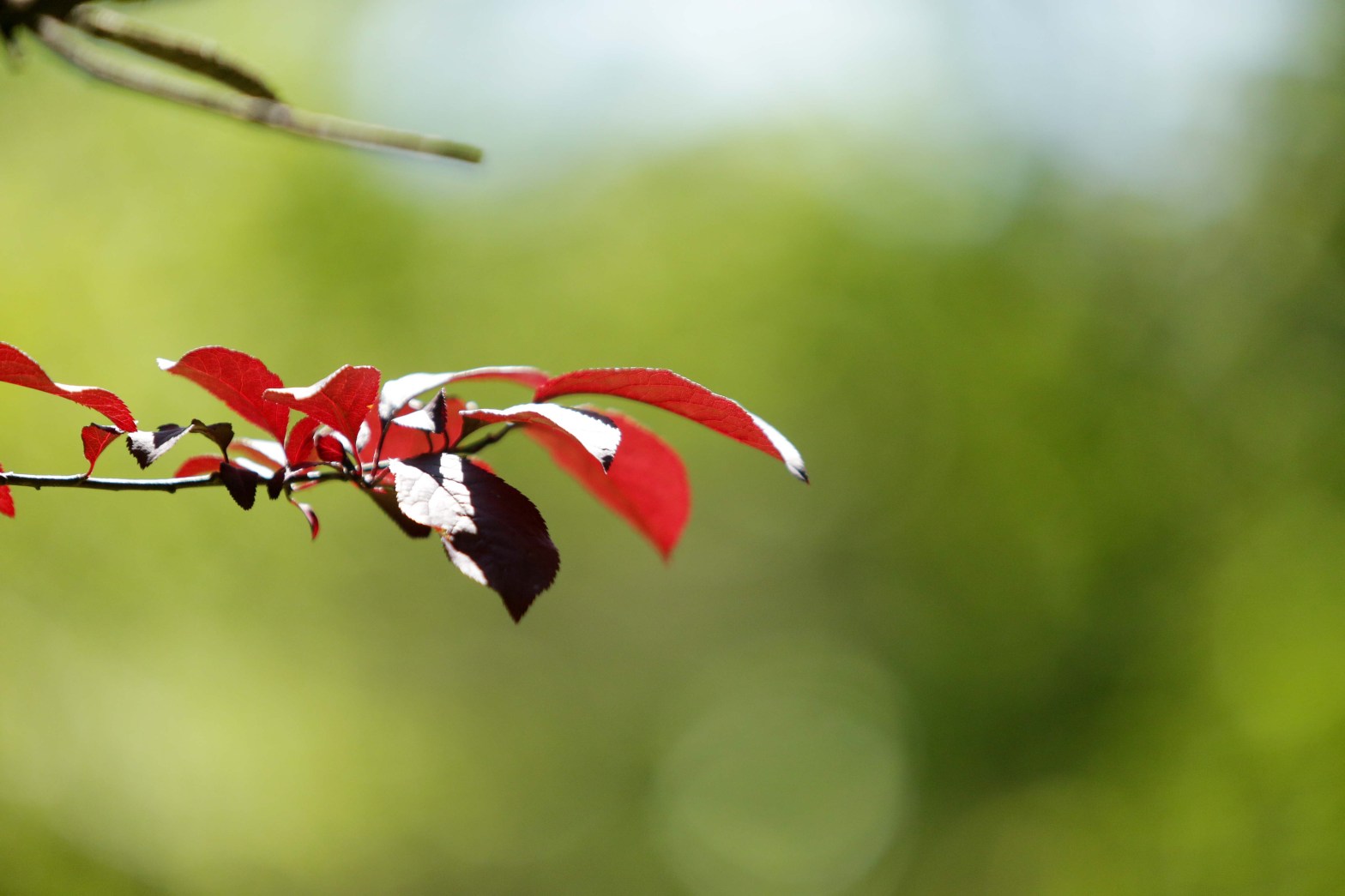
The easiest way to describe it is on the extreme end. When your aperture is fully open at f/2.8 then when it’s fully closed at f22. The two pictures below highlight the two extremes. All pictures below are using a 70-200 zoom lens. At around the 200ml range.

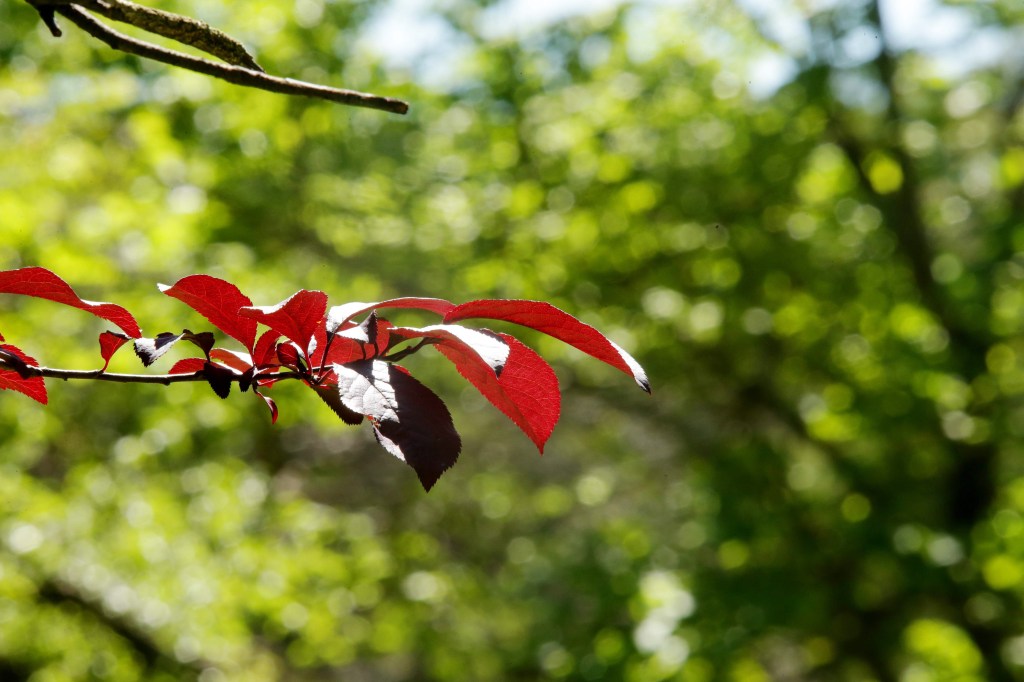
As you can see there is a remarkable difference between the two pictures. But shot on the same day the same lighting conditions and taken one second apart. It also depends on your personal objective too, but the background is completely blurred out in the first picture and the second the trees in the background are more visible.
Example 2
A slightly less dramatic version is here below. The first image here is at f/3.2 and the second is f/7.1

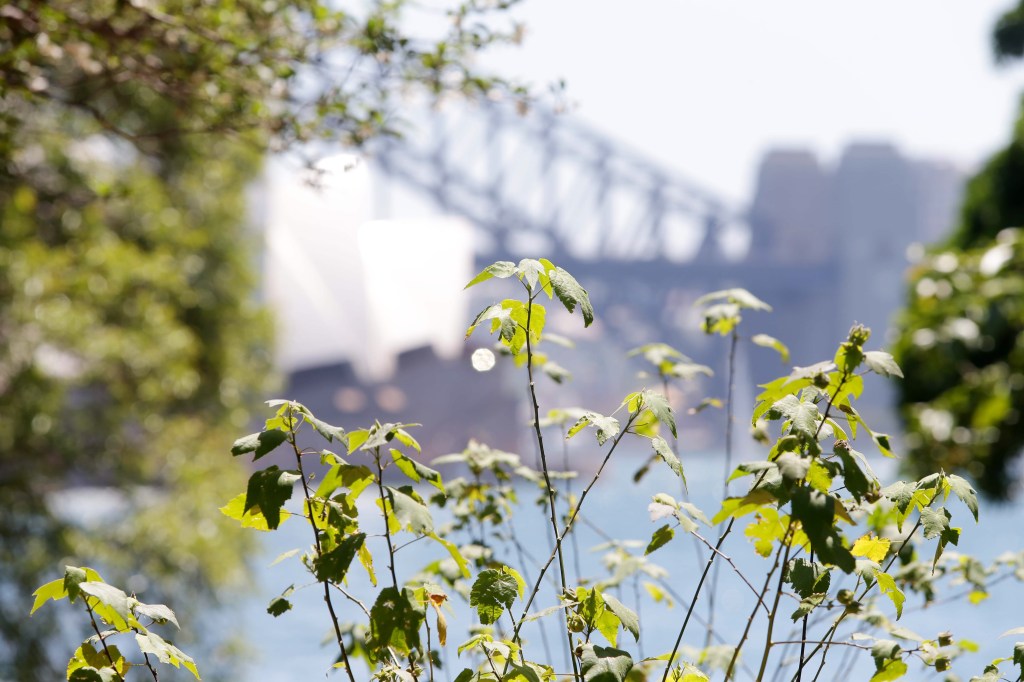
The difference between the two pictures above is not as dramatic as the first example.
The middle ground of f/7.1 can be a way to keep the foreground and background both relatively in focus. Especially when you have a beautiful Sydney Harbour Bridge, you don’t want to necessarily completely blur out the background.
Example 3
The last example is another f2.8 and f/22 picture. Again you’ll see the vast difference of the background in the extreme end of the aperture spectrum. I myself prefer the 2.8 version as the background is completely blurred and the red leaves in the foreground are sharp and prominent.

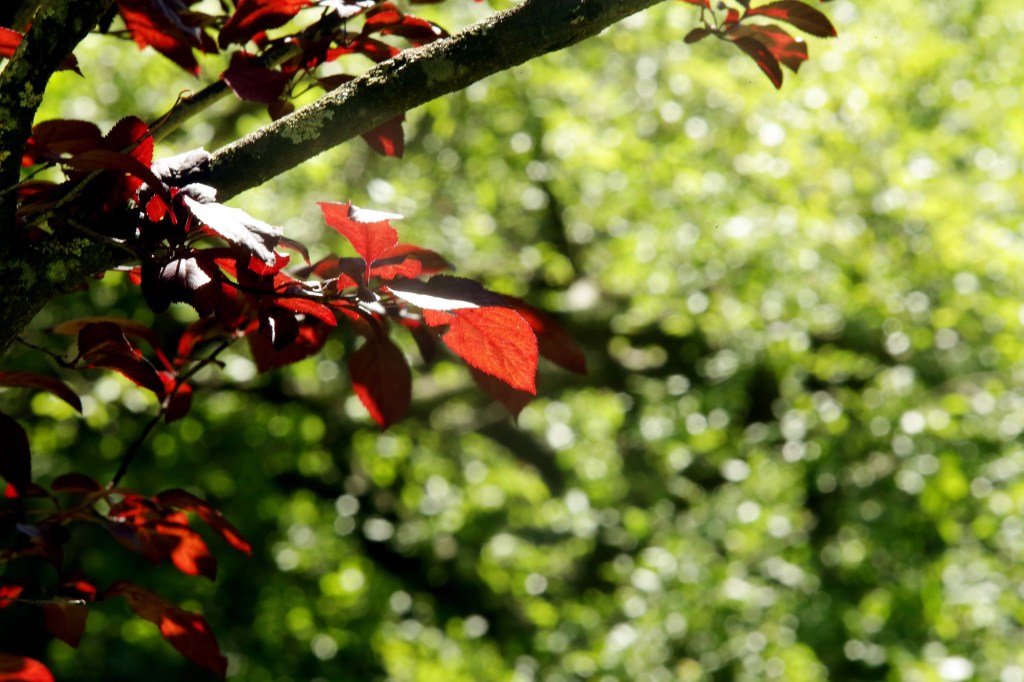
So hopefully via these examples you can see how controlling your aperture and f stops you can really improve your photographs. Just a few rotations of the aperture dial can really make your image pop and you might be able to turn a good picture into a great picture.
I generally try to stick to a f/4 to f/5.6 number during most of my photography, which blurs the background but not too much.
But also photography is the world’s best hobby, so play around and find what works best for you.
Til next time!
Chris
 Chasing Light by Chris Lane