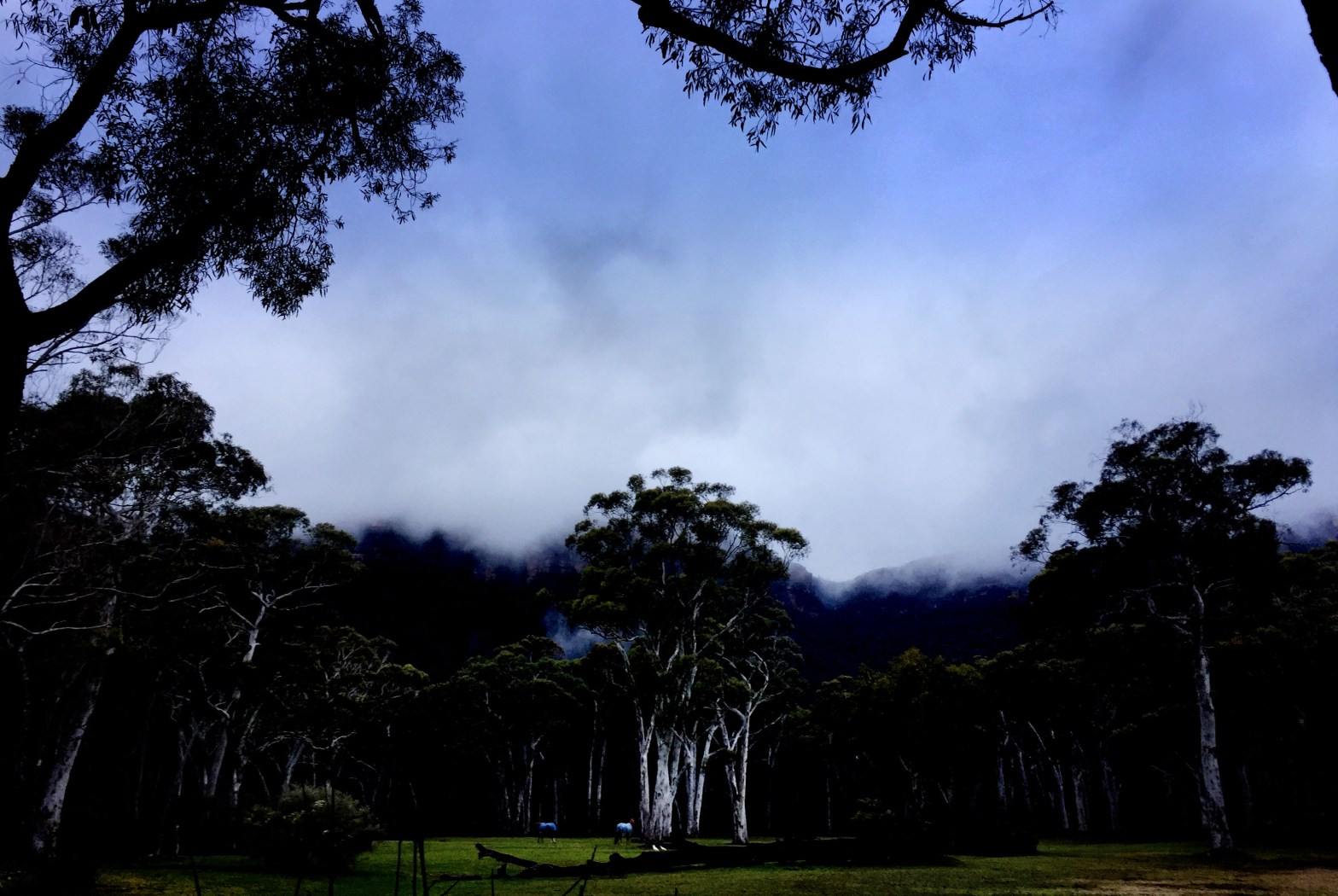
The Six Foot Track in the Blue Mountains

Name: The Six Foot Track

Where: Starting in Katoomba and finishing at the Jenolan Caves

Distance: 46km one way

Tips: Avoid in wet weather, as some sections can get flooded.

The Six Foot Track in the Blue Mountains

The Six Foot track in the beautiful Blue Mountains is one of my favorite hikes in all of Sydney. A great mix of stairs and hills but also plenty of flat track to rest the legs.

The track itself goes for 46km one way so it’s a fair hike. One entry point is just off the Great Western highway at Katoomba. With the main landmark to aim for being the Explores Tree. The other entry point is the Jenolan Caves on the far side of the Blue Mountains.

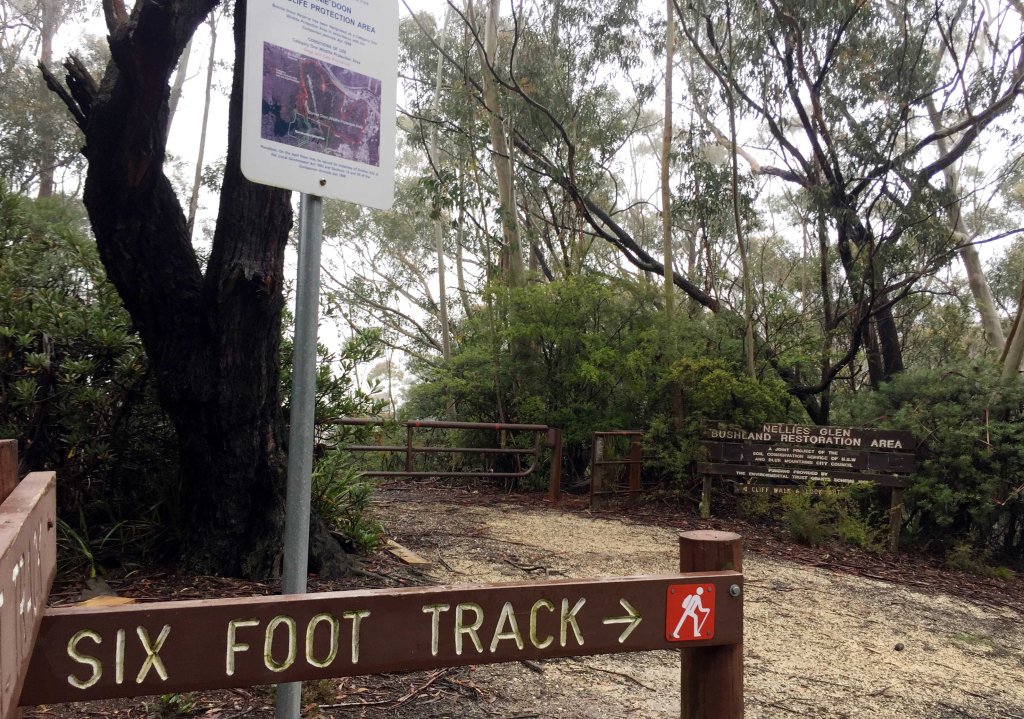
For this trek I started at the Katoomba end. Which you can access at on Explorers Road, Katoomba. There are plenty of signs to find the track and the car park once there.

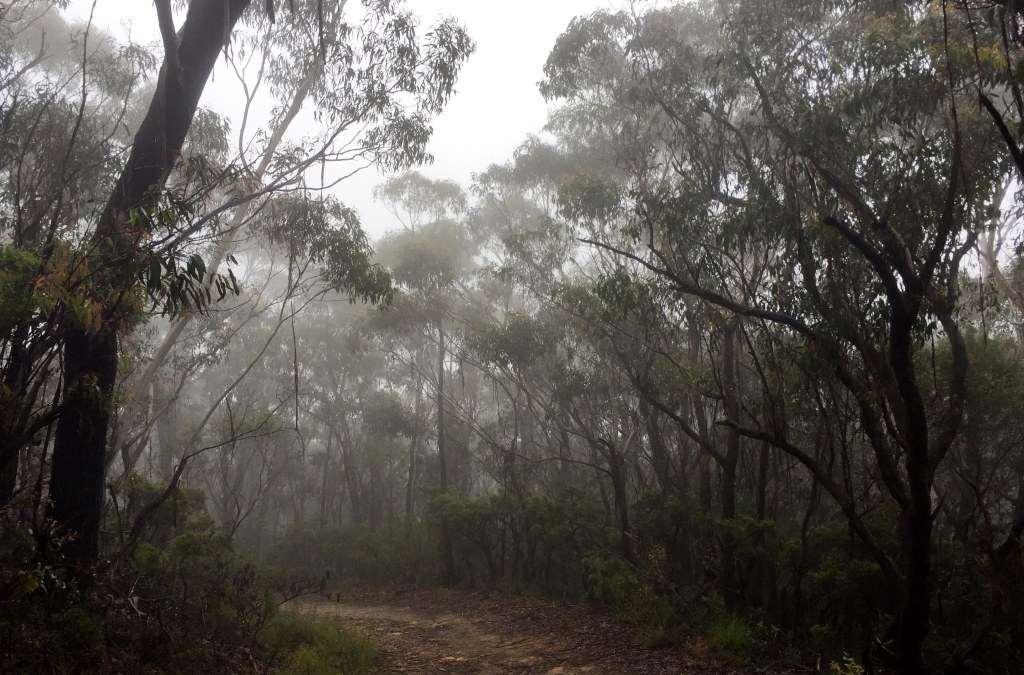
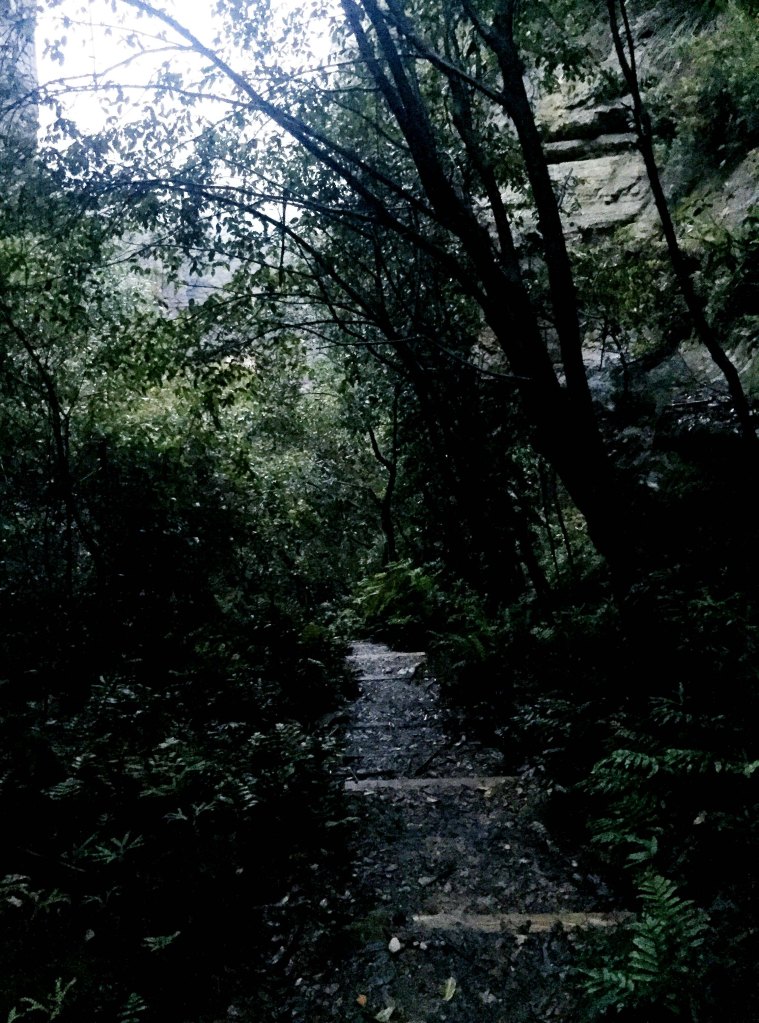
The first picture below is the start of the track where the car park is.
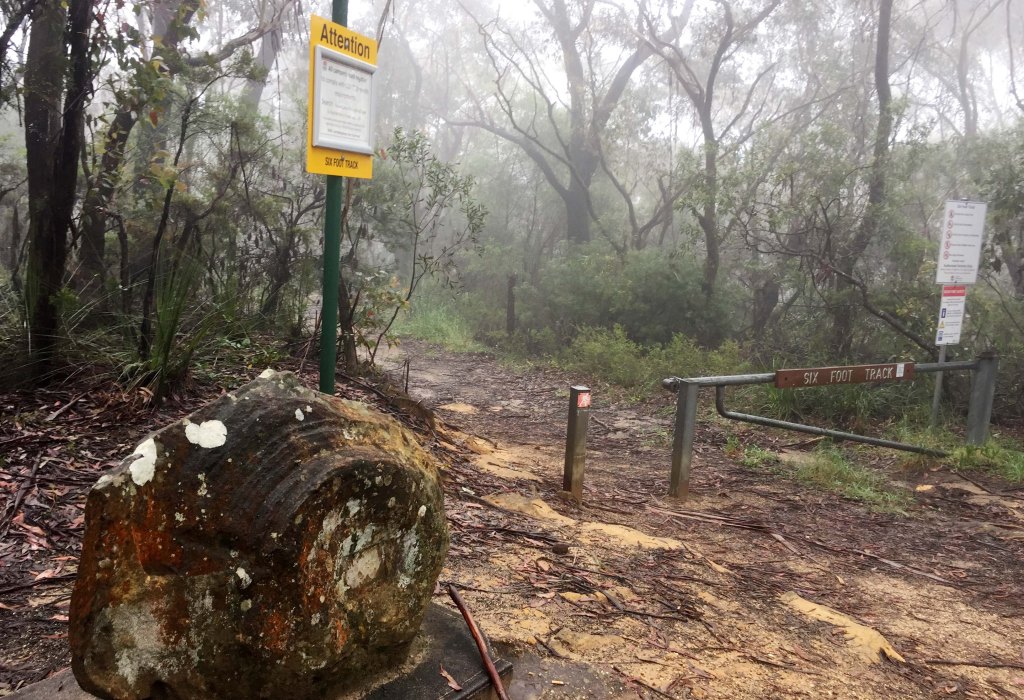
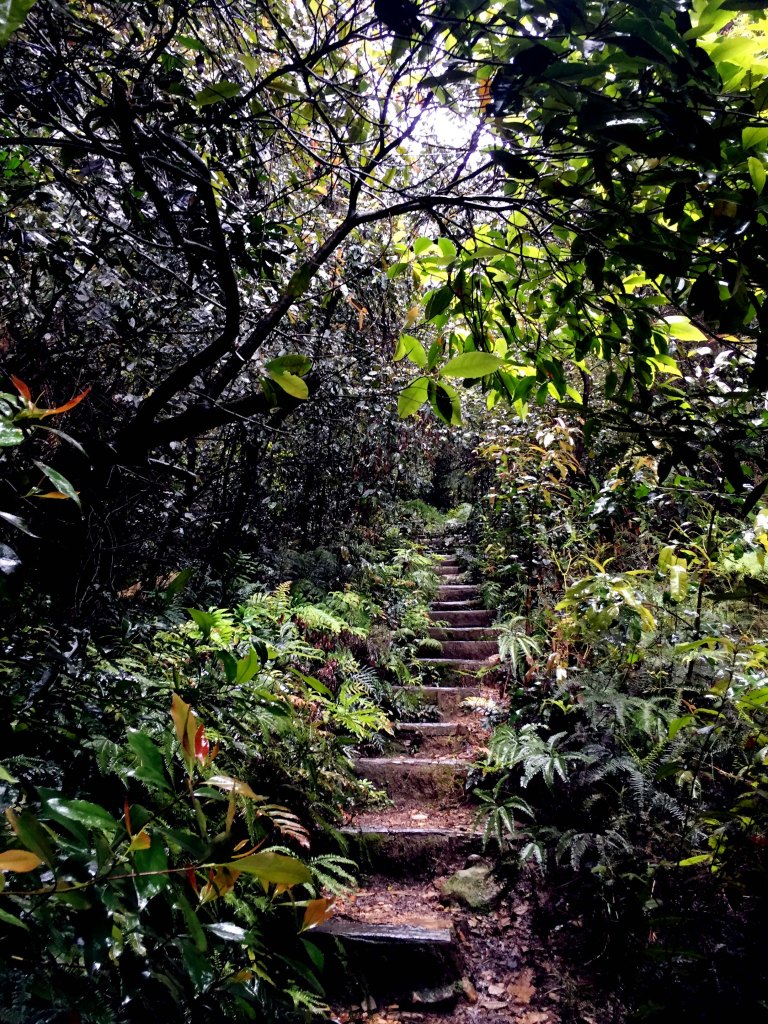
Once the track starts, you’ll head down a nice size hill, which then turns into the set of stairs that takes you down to the bottom of the mountain. Then you are off and running so to speak.
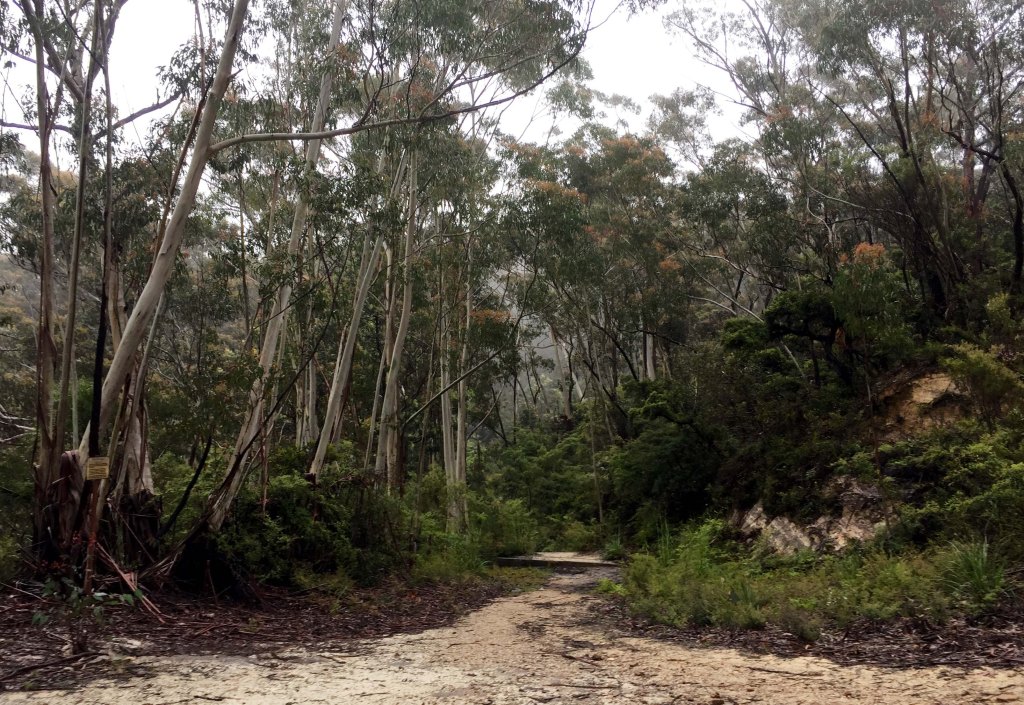
The hike is a 3k decent down a big hill and a pretty awesome set of stairs. It took me around an hour to descend the bottom of the mountain. The trek down is pretty good, but the stairs can be tough so if you have any injury’s maybe this trek is not for you.

But otherwise it’s all pretty good. Once you hit the bottom of the stairs it’s pretty flat but very scenic. On this trek I continued for another 8 kilometers before turning around to head back.
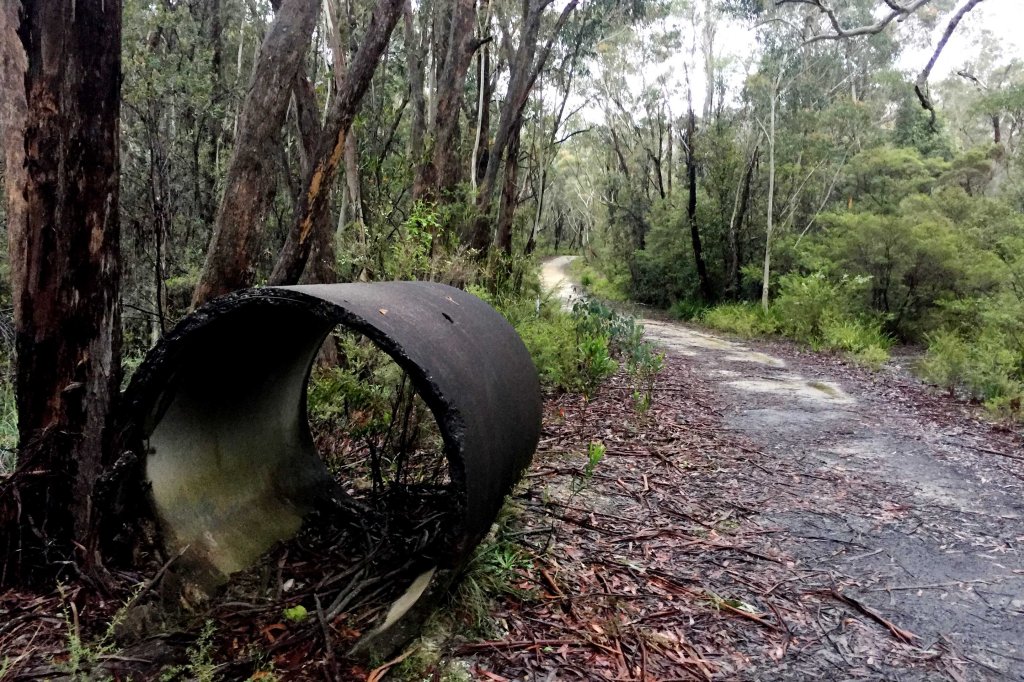
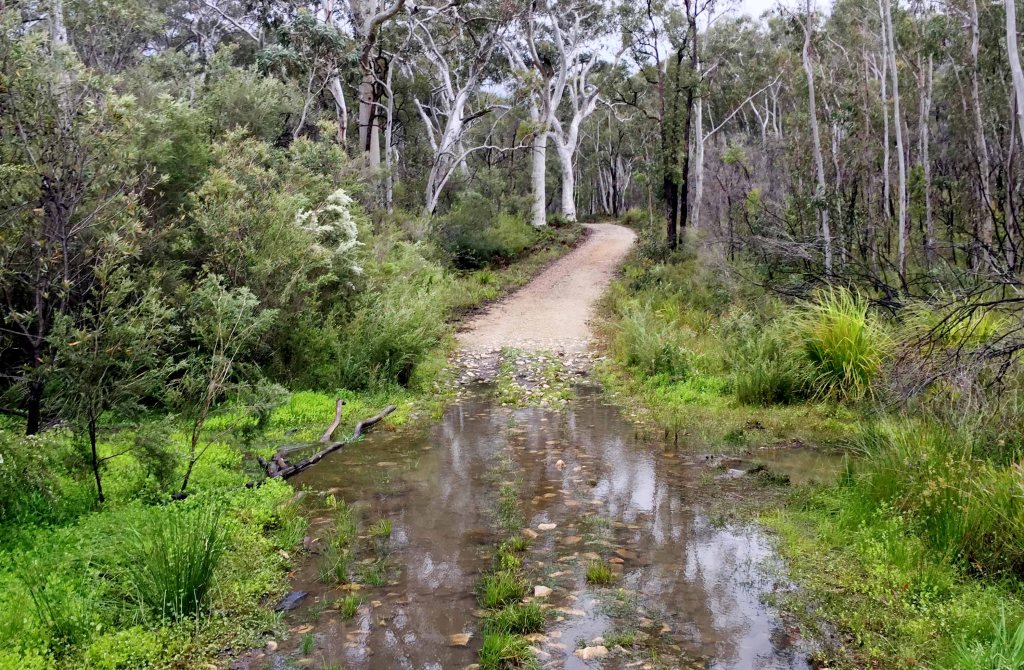
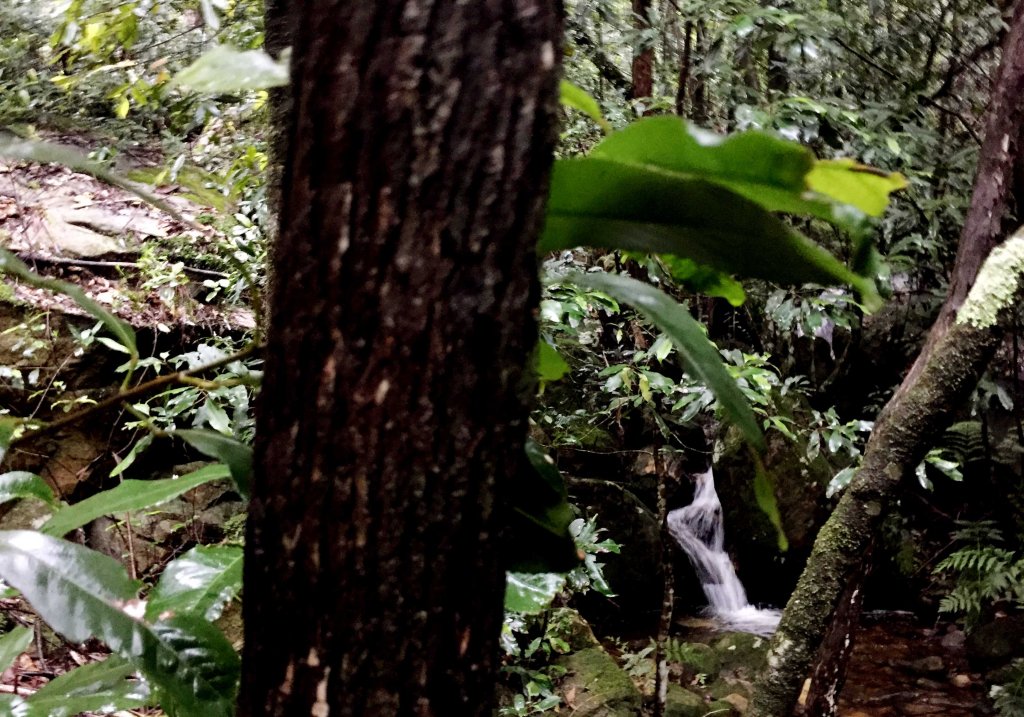
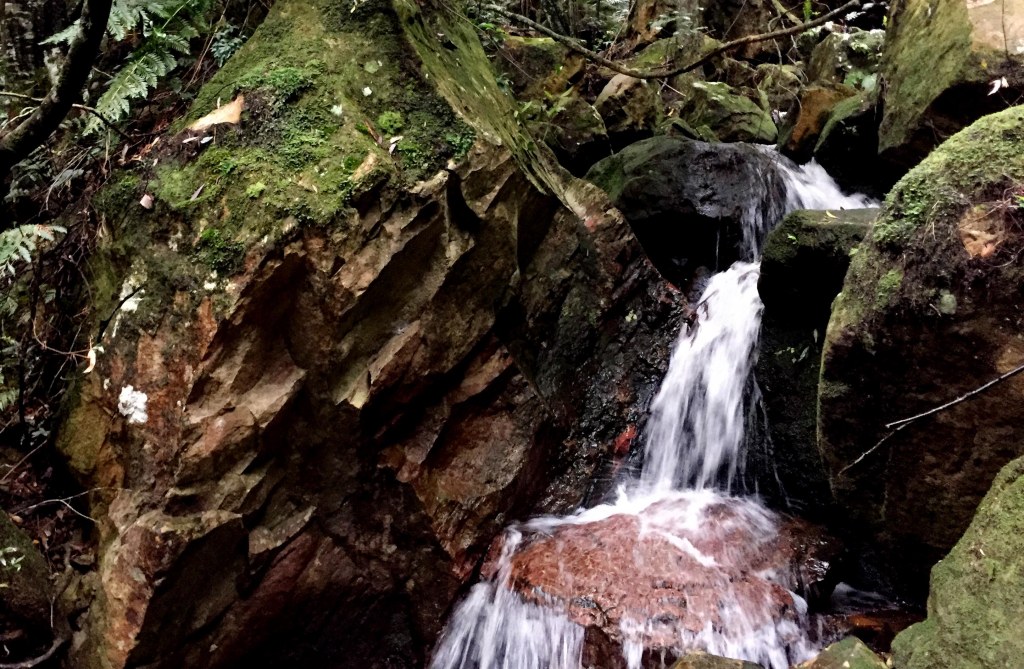
The day I was hear it was pretty wet due to the rain over a couple of days. So I’d recommend if it’s been raining to skip this track as you’ll come across a few mini creeks like below that can make it tough to cross. And you definitely don’t want to fall into the water like I did and soak your socks and shoes. That’s a feeling I could live without.

You could continue on as far as you’d like depending on time and fitness levels.

It’s a really nice wide track and if you’re in a group it would be perfect, as not every track in the Blue Mountains is so wide and can be a single lane hike.

So at around the 8-9 kilometers mark I turned around and headed back to the car park at the starting point.

The trek back again is pretty easy, that is until you hit the big set of stairs and that big hill.

This is where the fitness gets tested. There is no handrail on the stairs so it will definitely test the legs. I’ve done this track a few times now, but on this occasion I used a walking stick/pole and I’d highly recommend using something like that if you can. Otherwise the climb up the 3k set of stairs can be brutal.

But all in all the Six Foot Track in the Blue Mountains is awesome and really scenic. I’d definitely recommend it. Whether you do just a section of it like I did. Or you continued on to the other end a Jenolan Caves.

But if you did the whole thing it’s a massive day and would need some serious planning. Or you could camp and do it over a few days as there are campsites available.

For for a simple one day out and back day, what I did here was perfect. Around 18k return trip and in around 4 hours. So well worth it.

Til next time!

Chris Lane

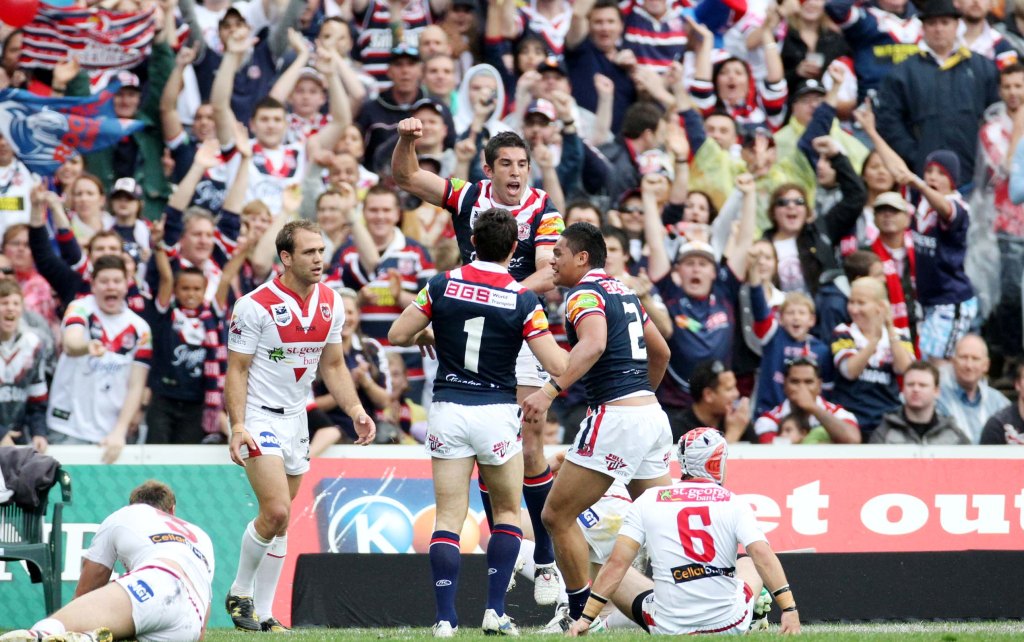
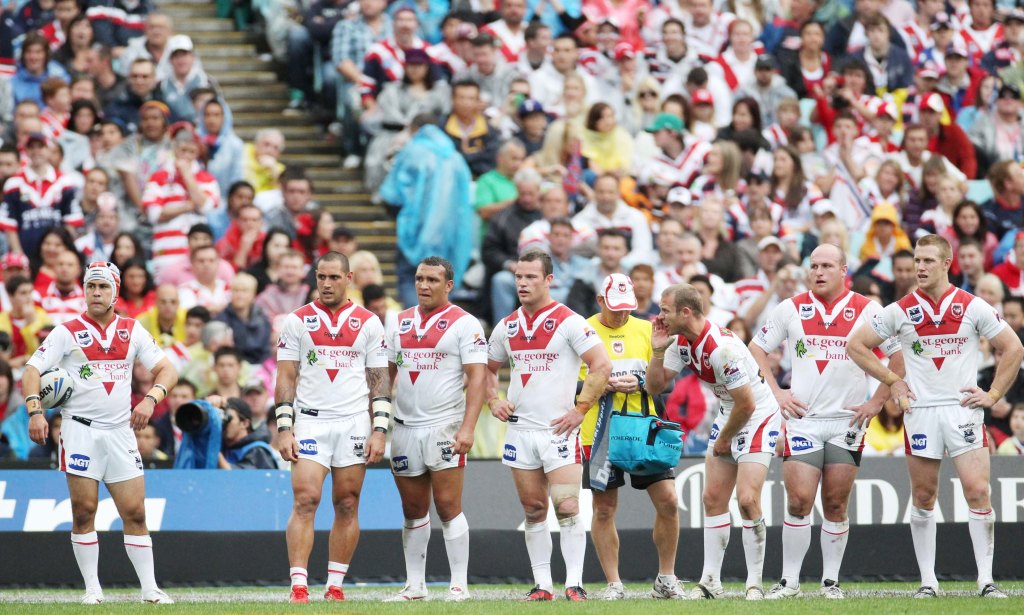
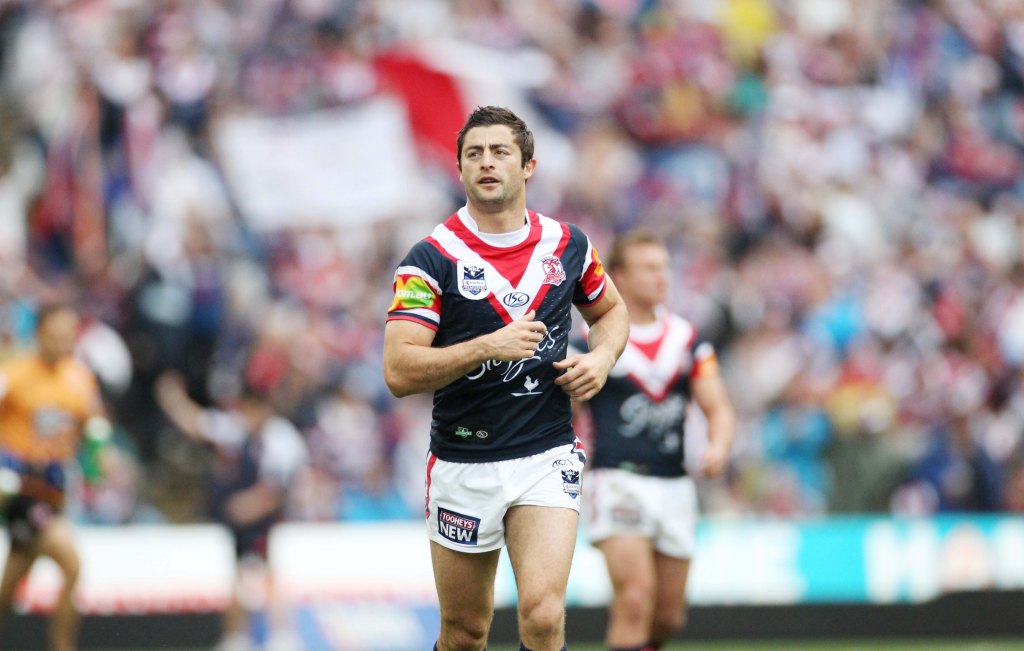
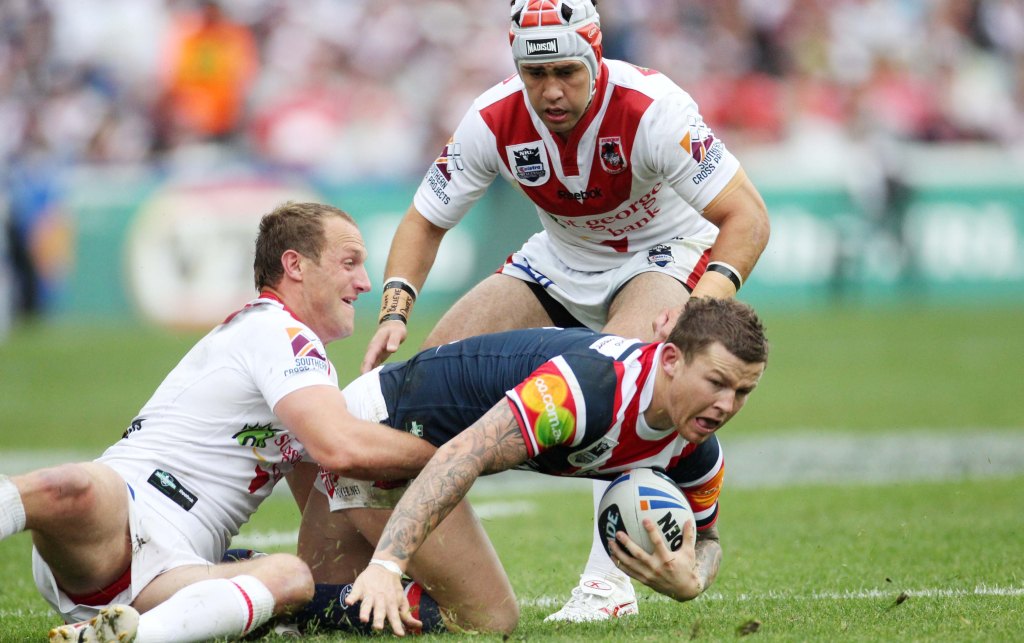
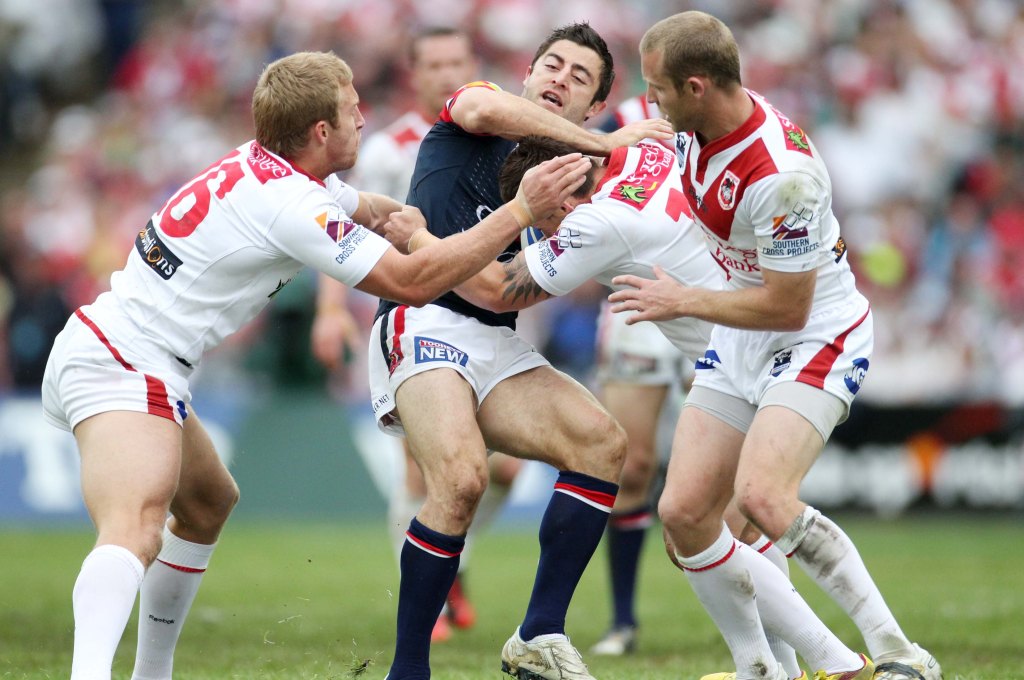
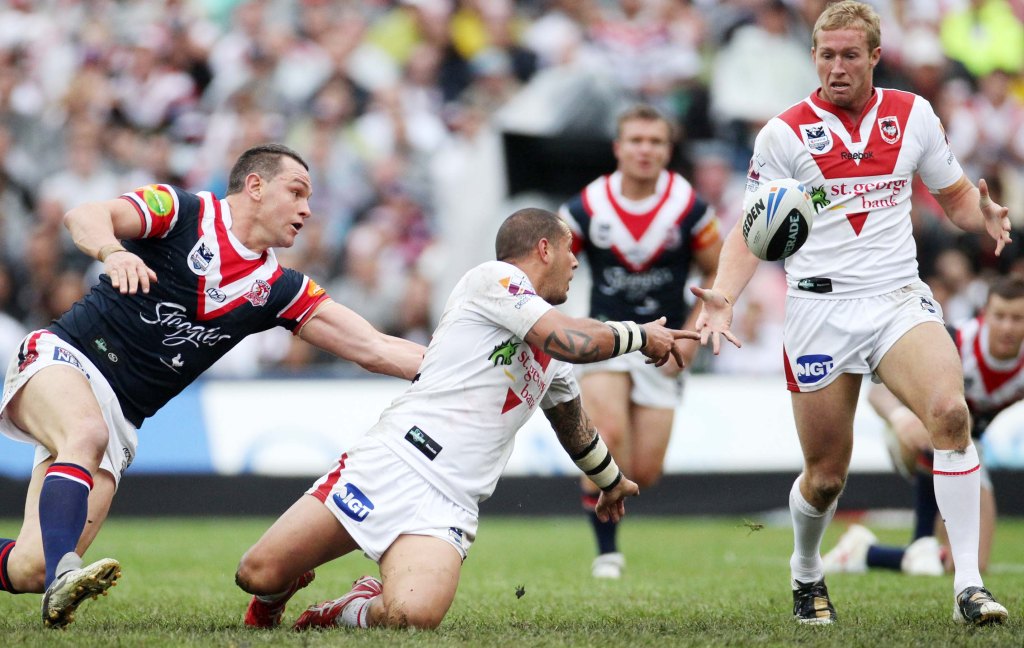
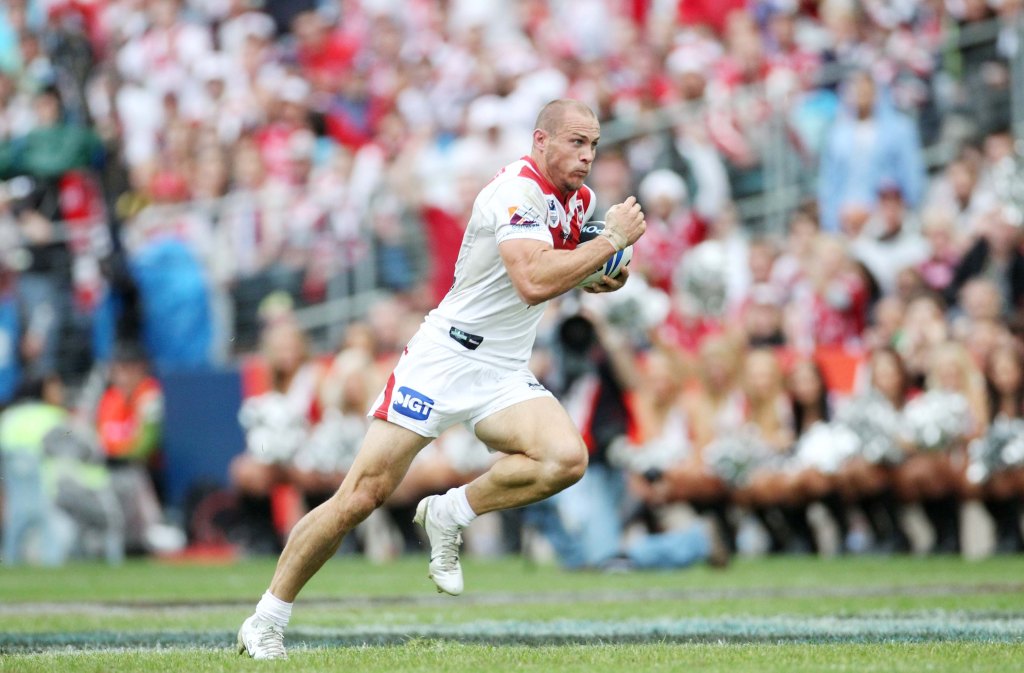
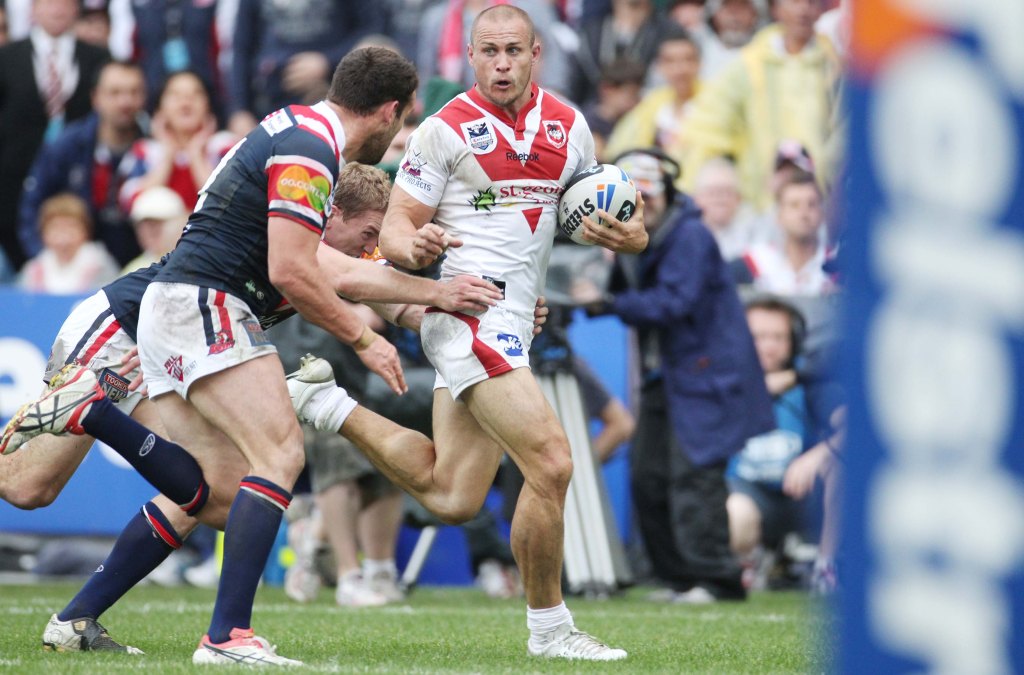
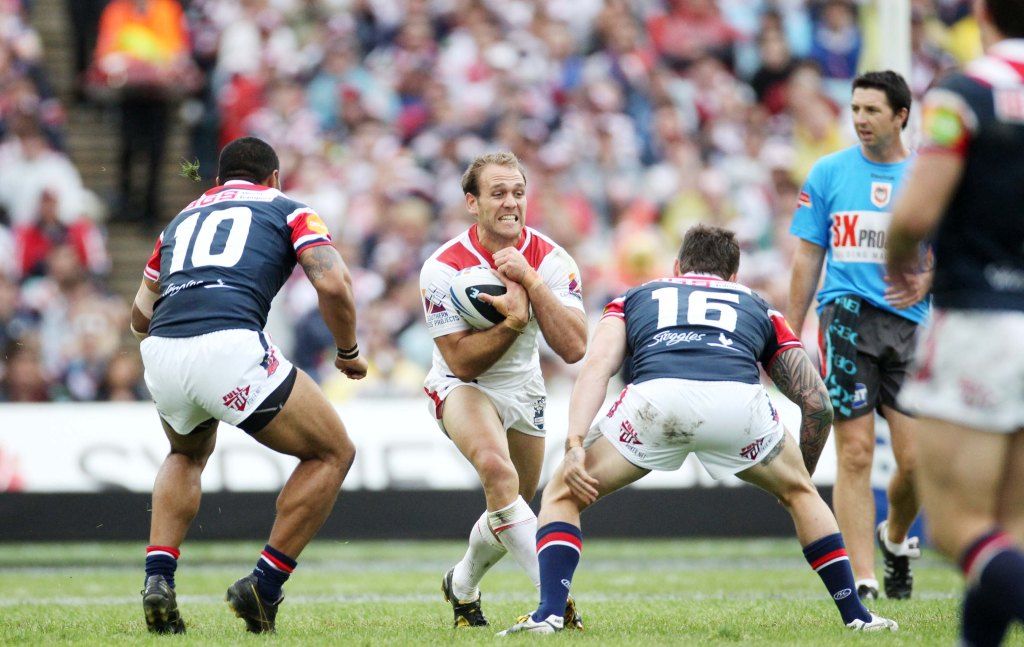
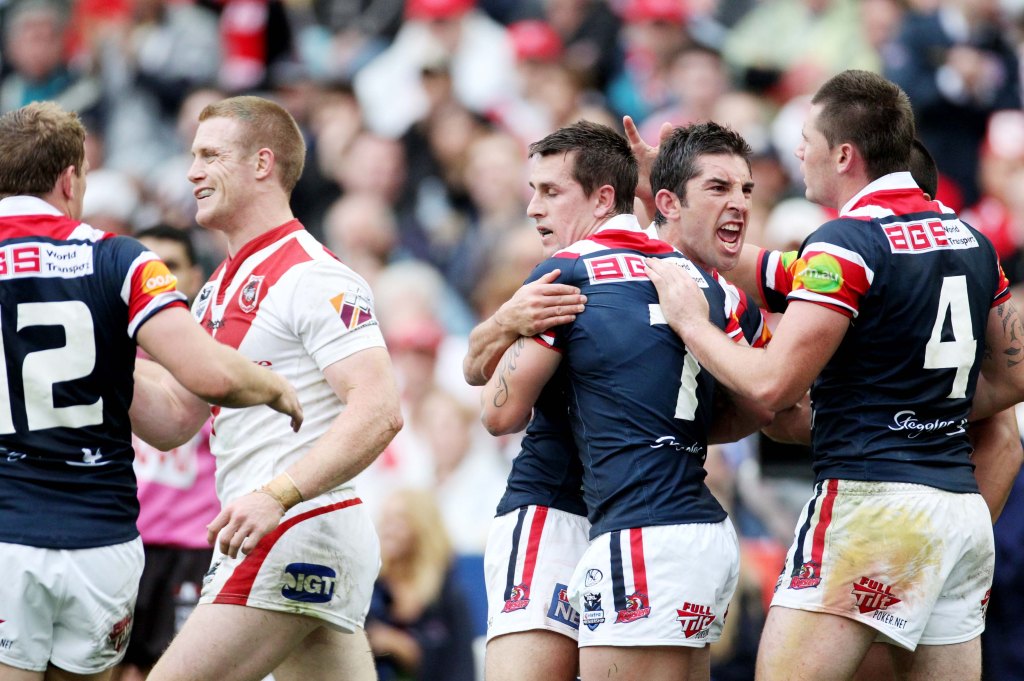
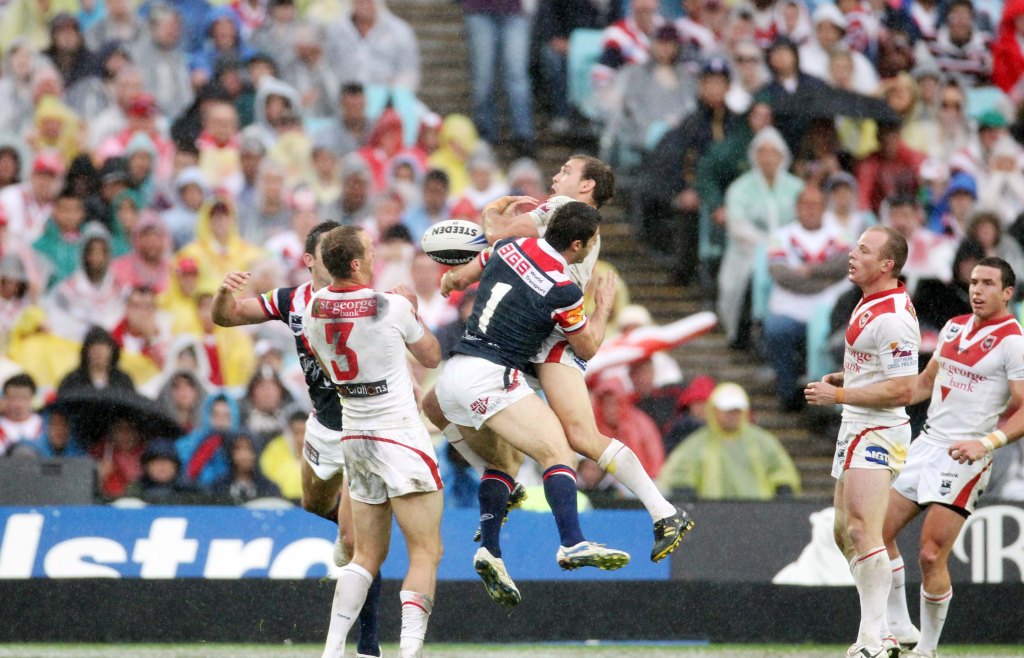
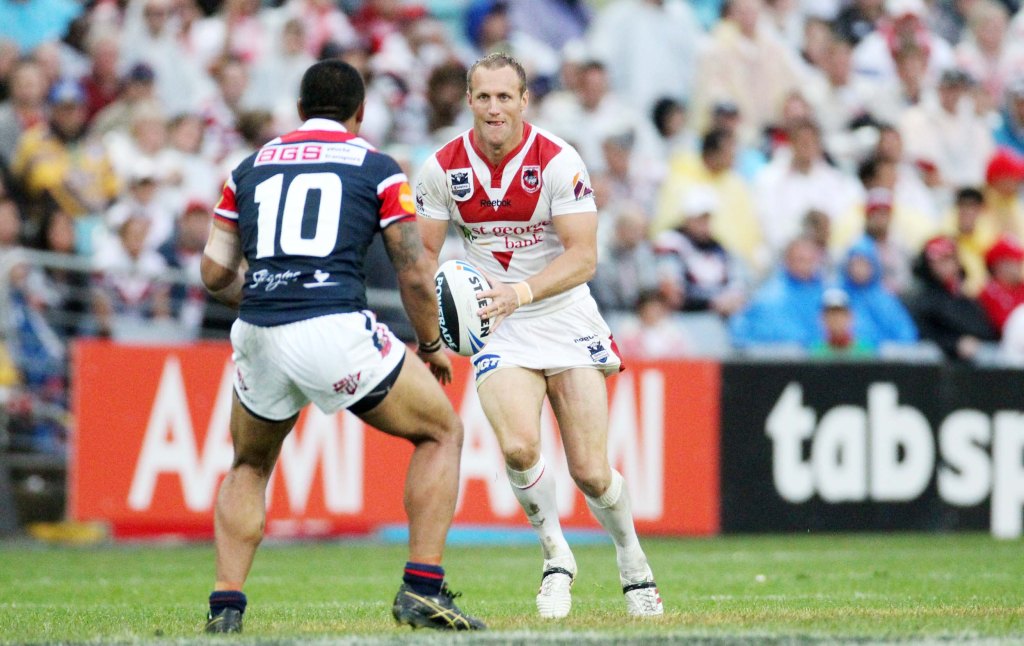
NRL Grand Final 2010 Part 1: When the Dragons and Wayne Bennett broke the drought beating the Sydney Roosters

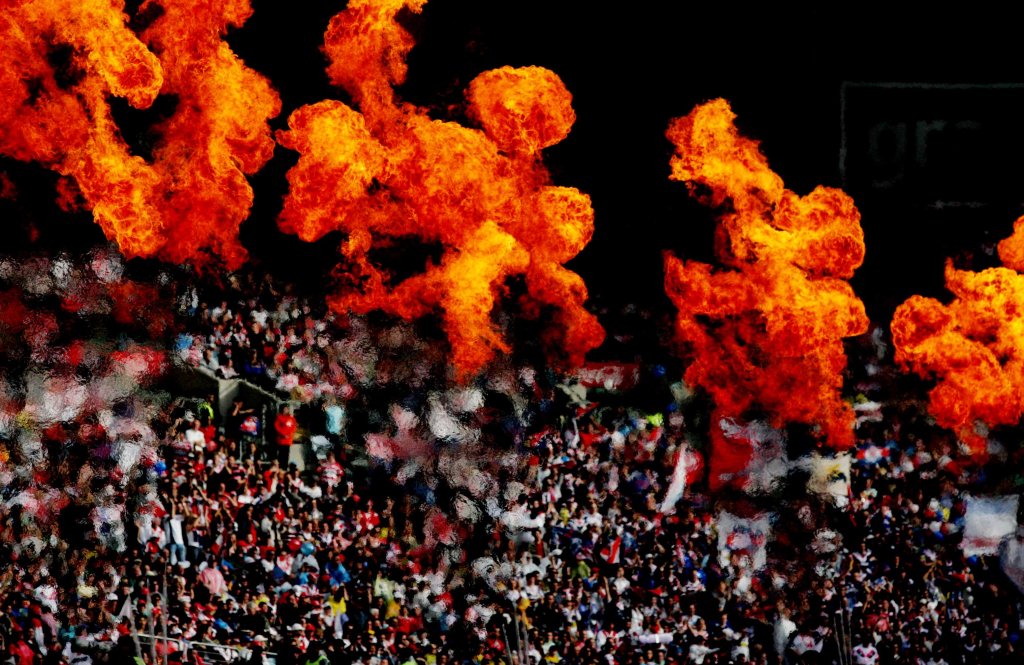
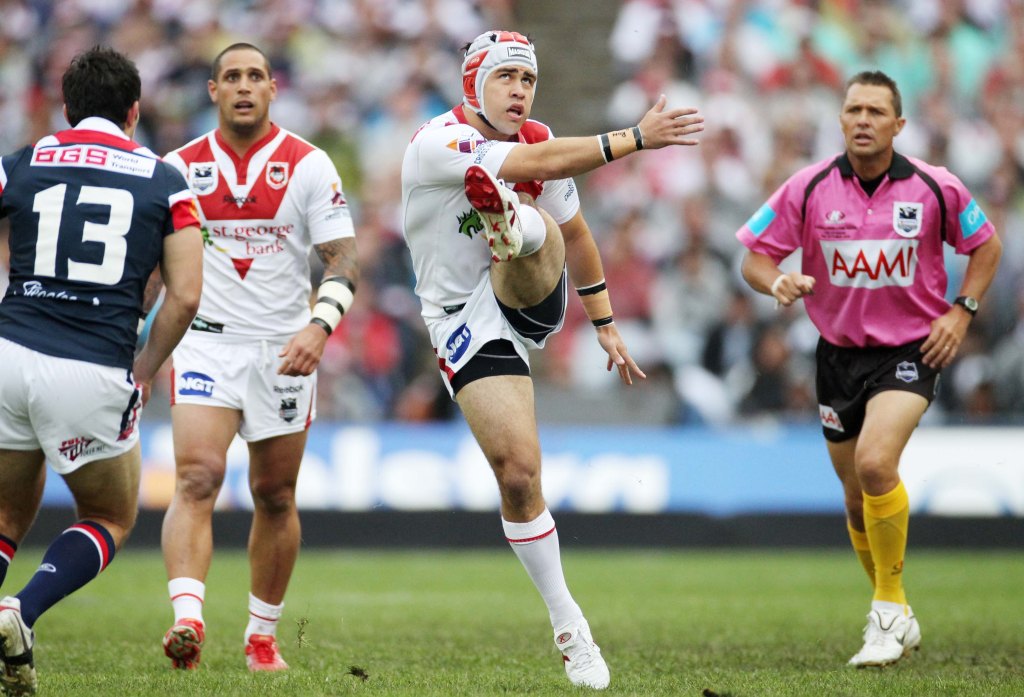
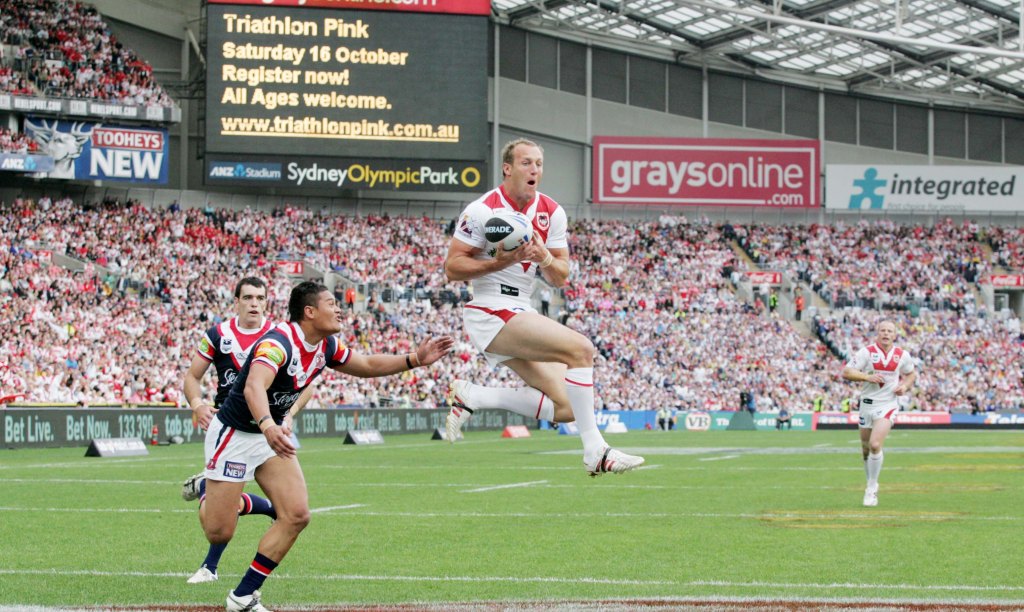
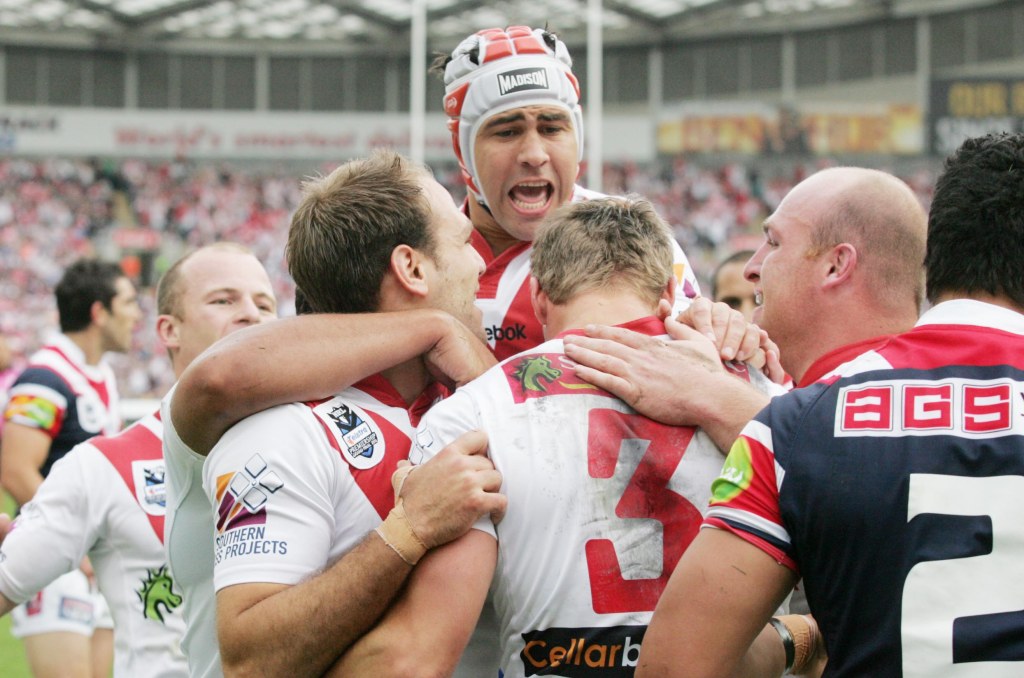
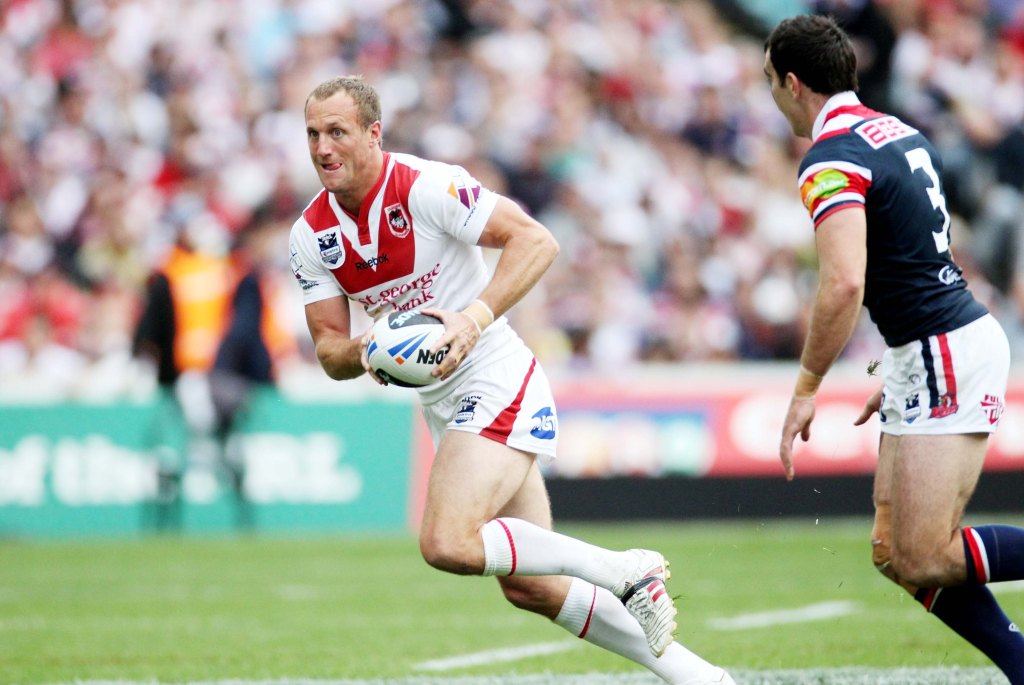
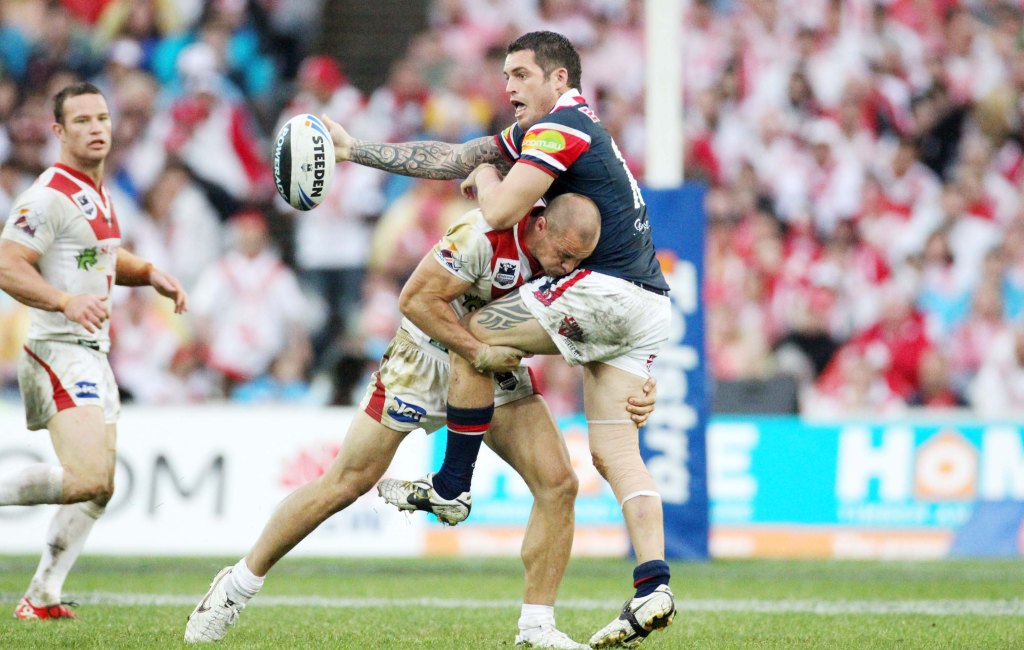
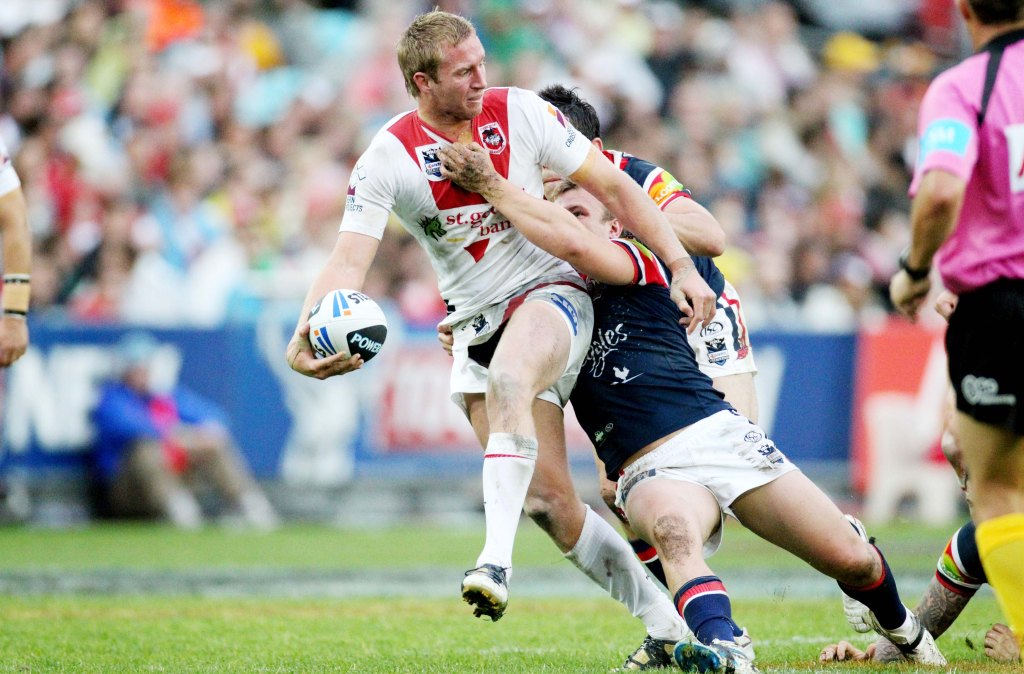
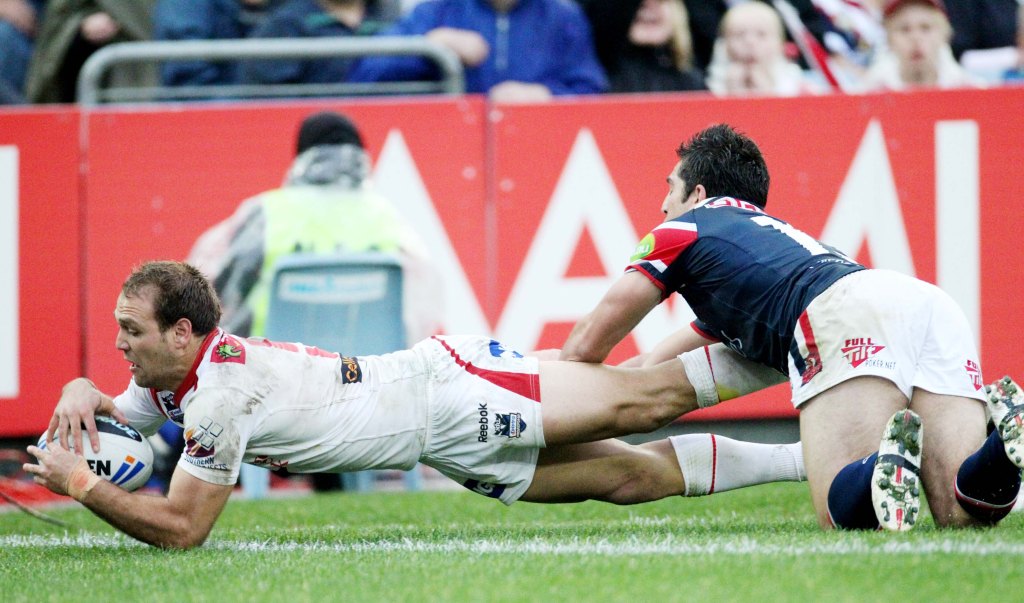
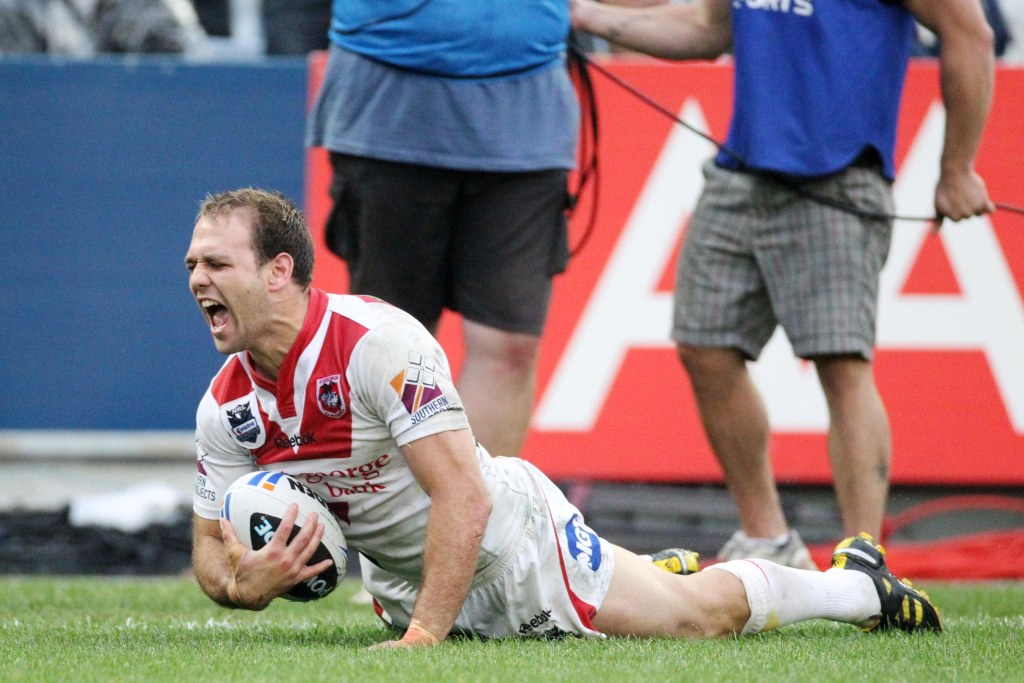
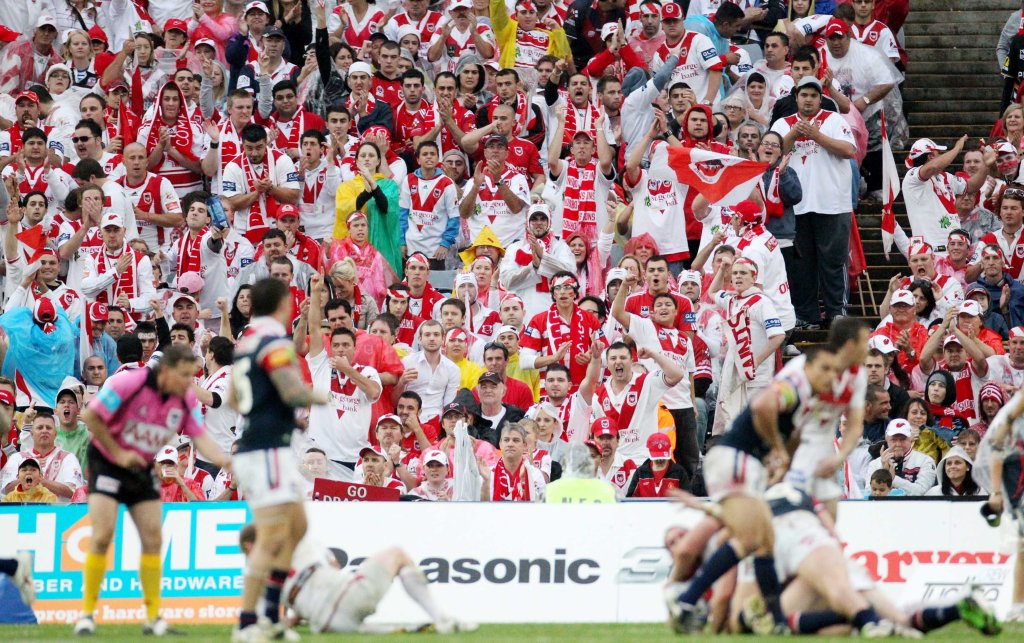
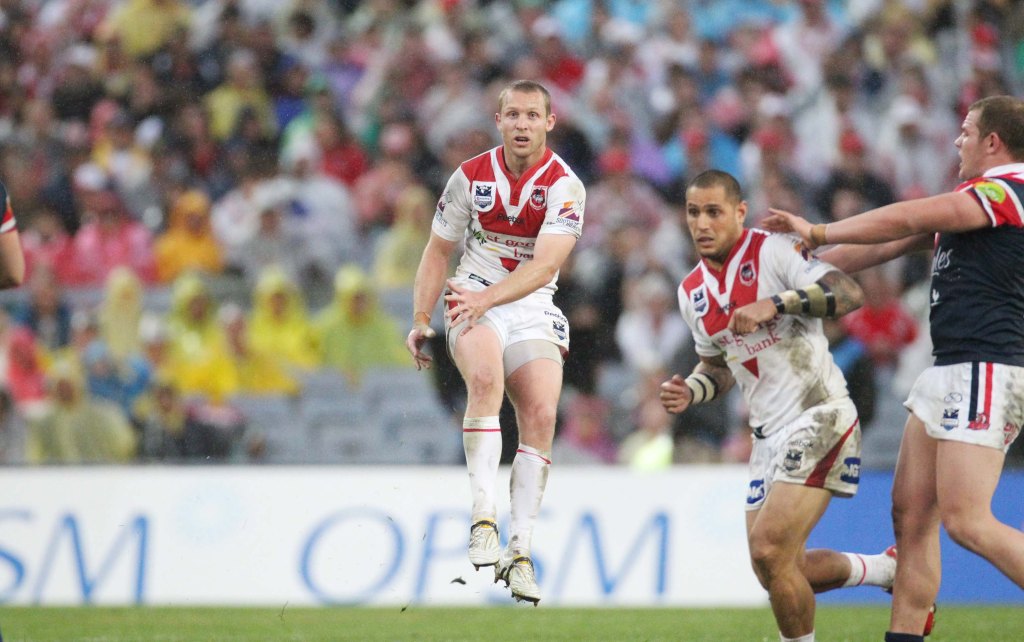
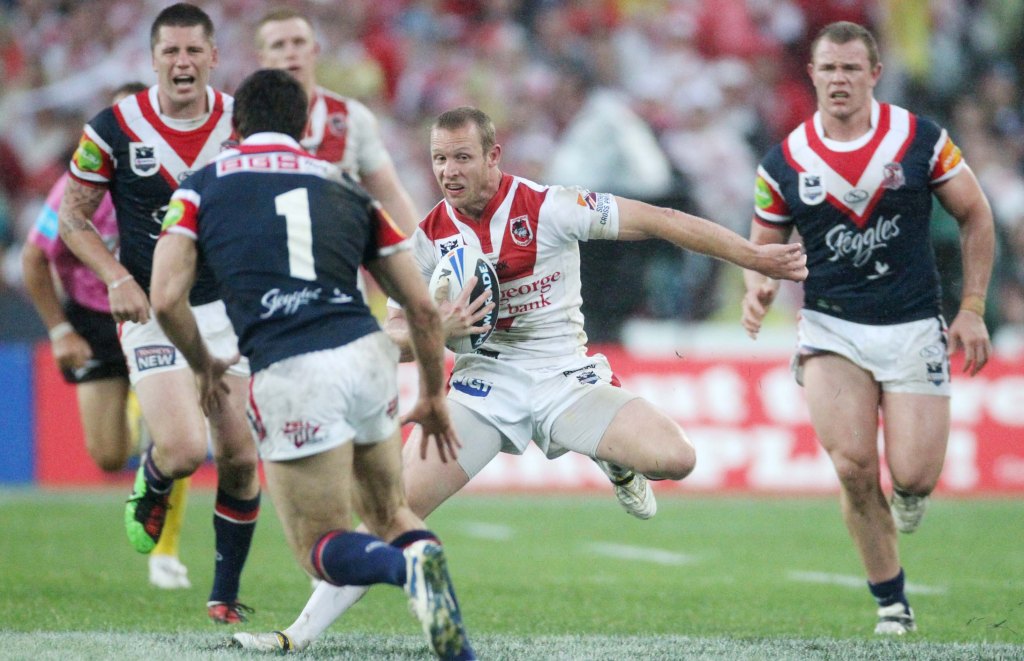
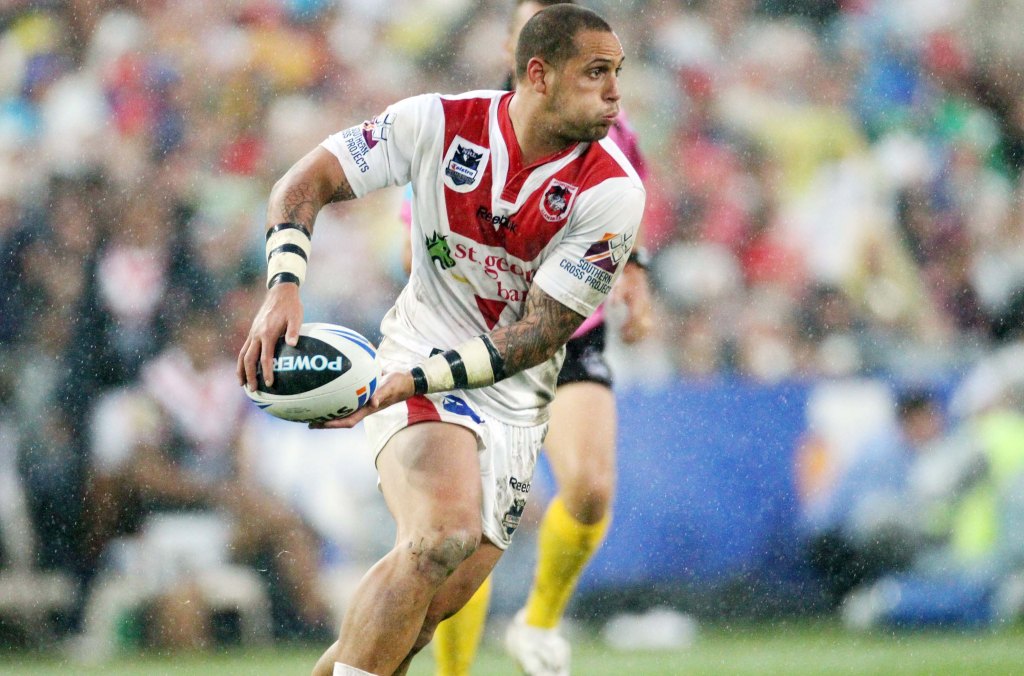
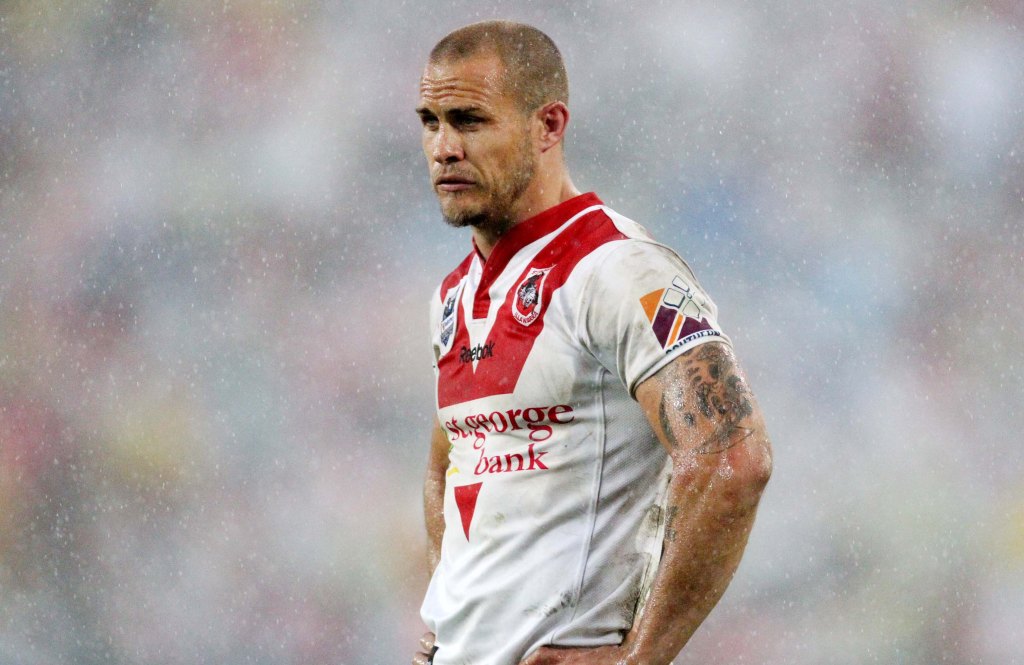
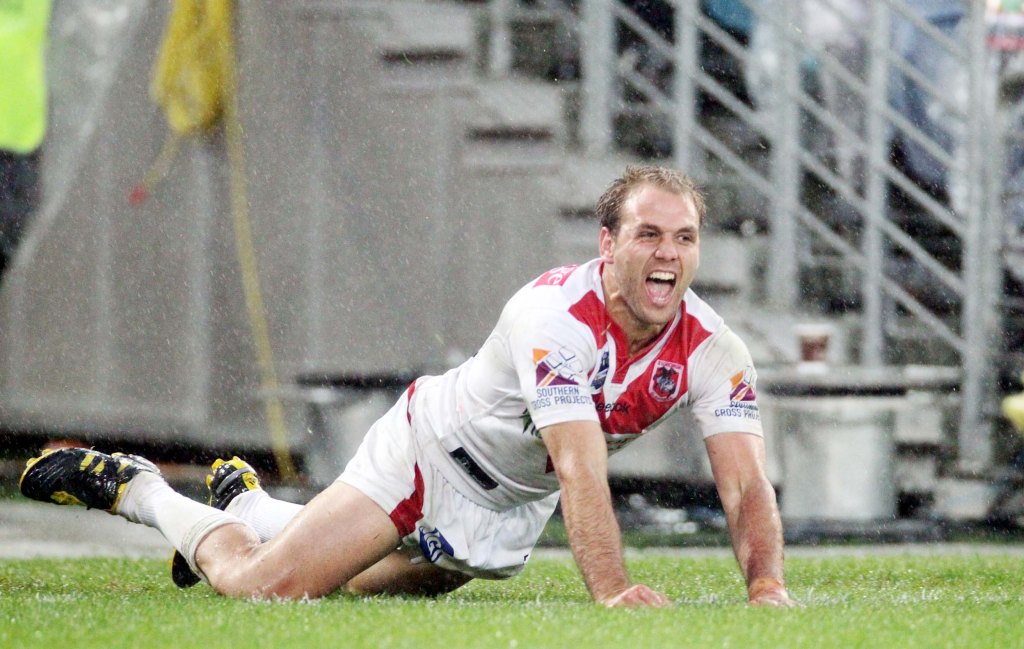
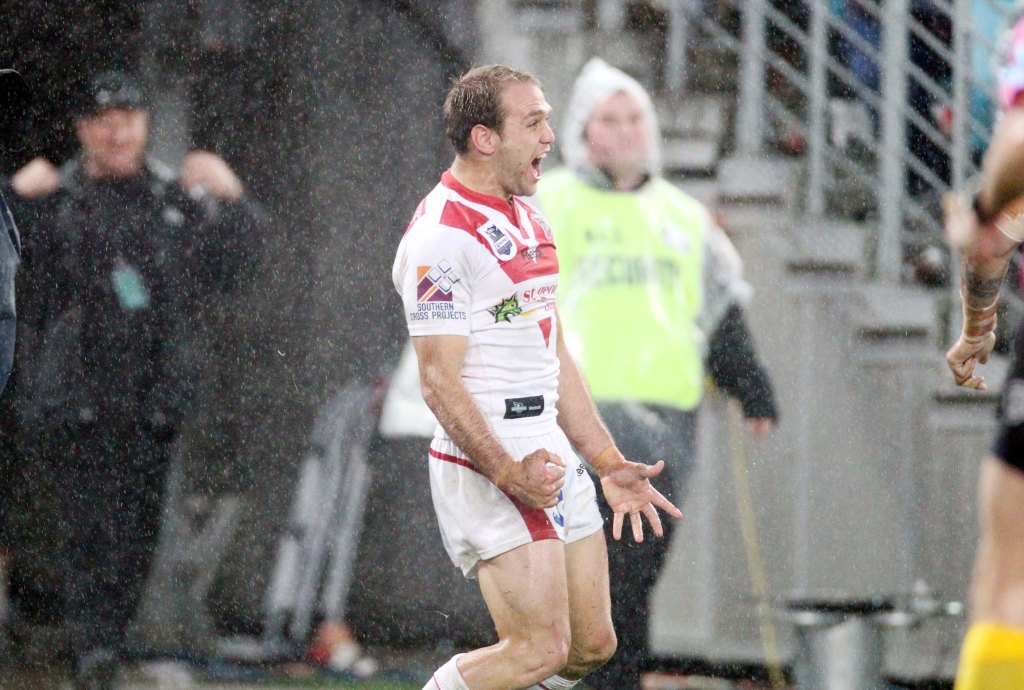
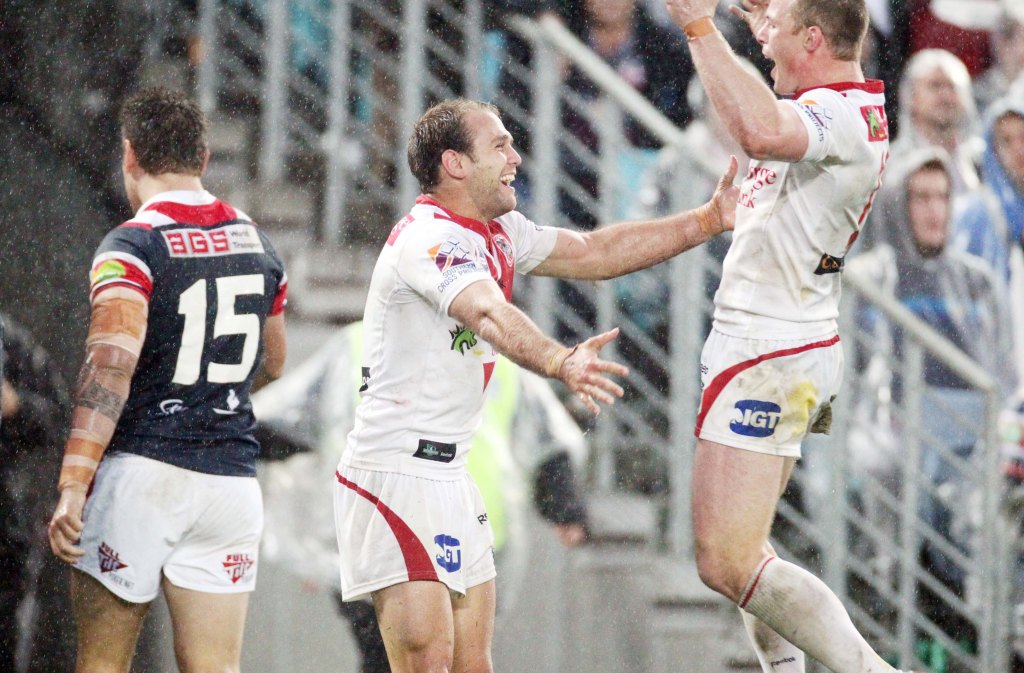
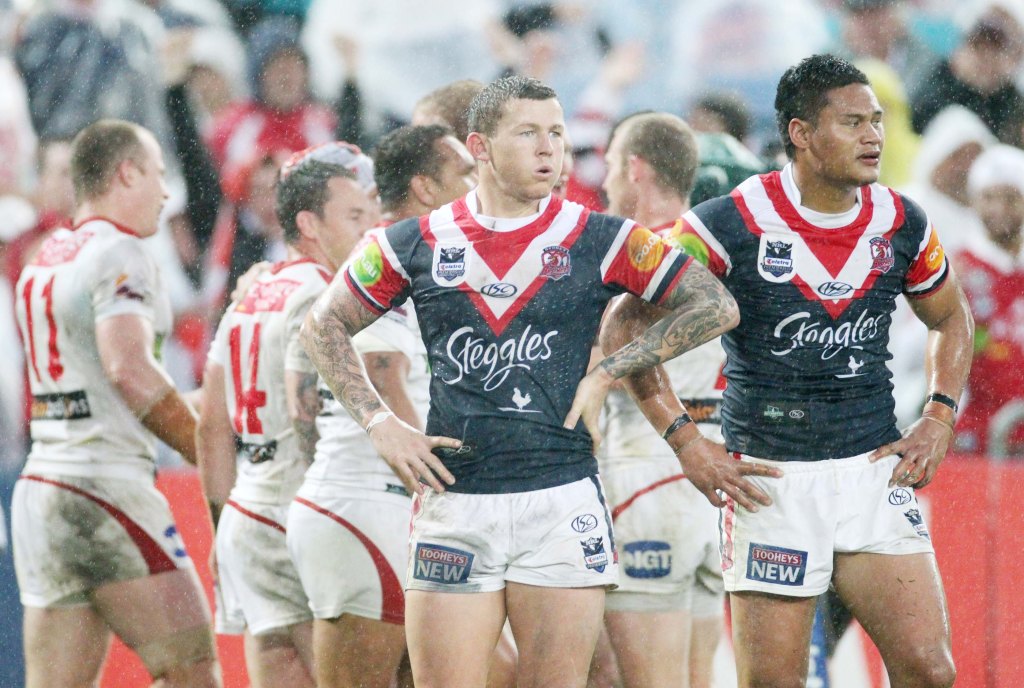
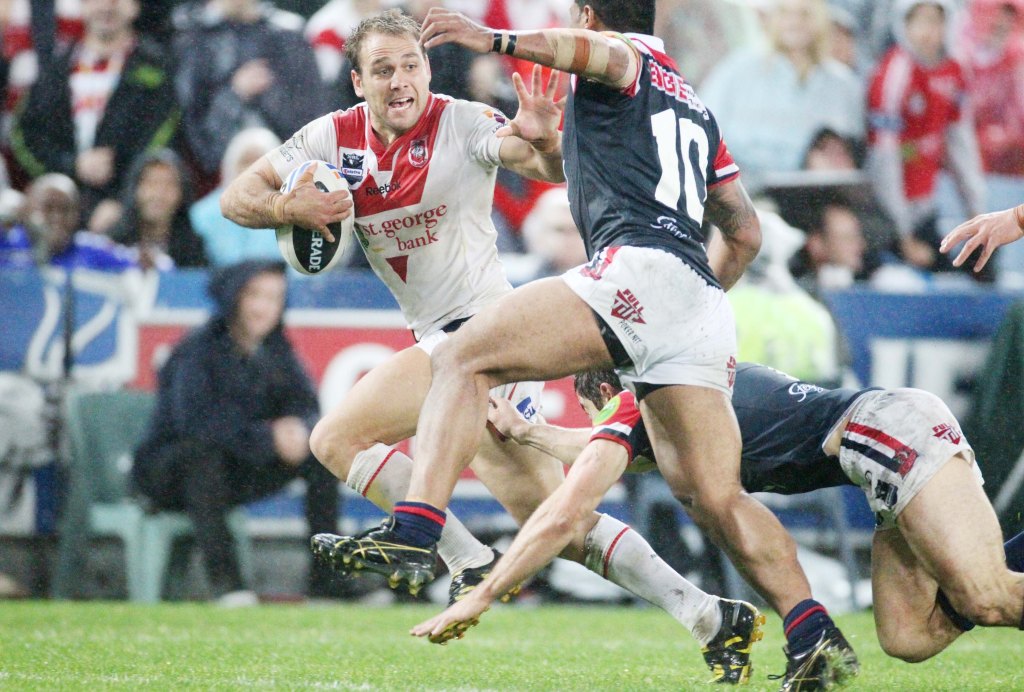
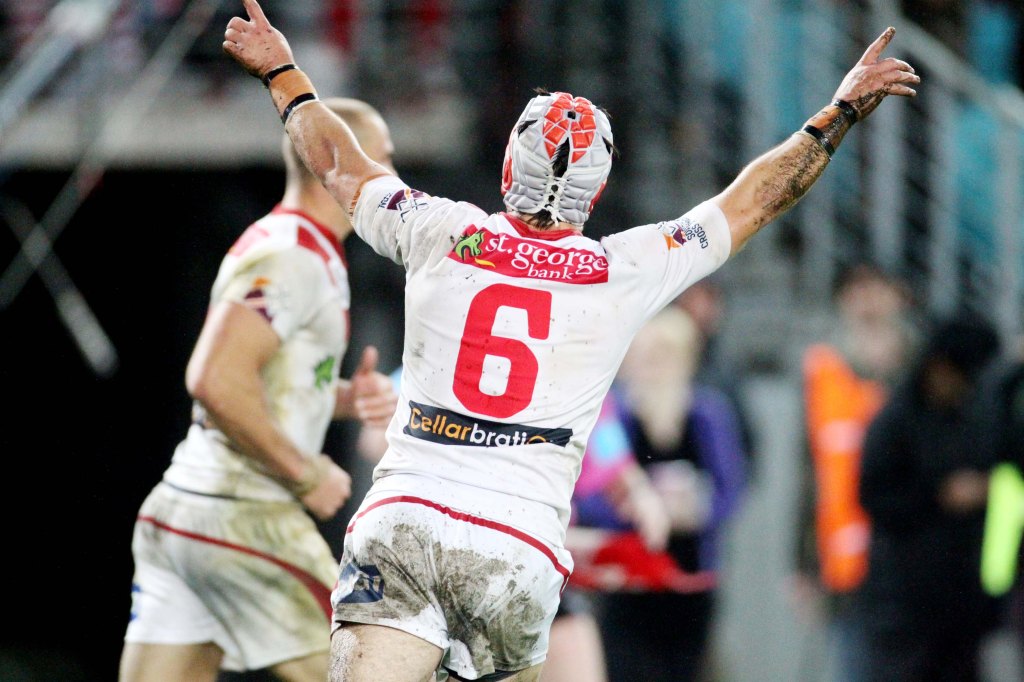
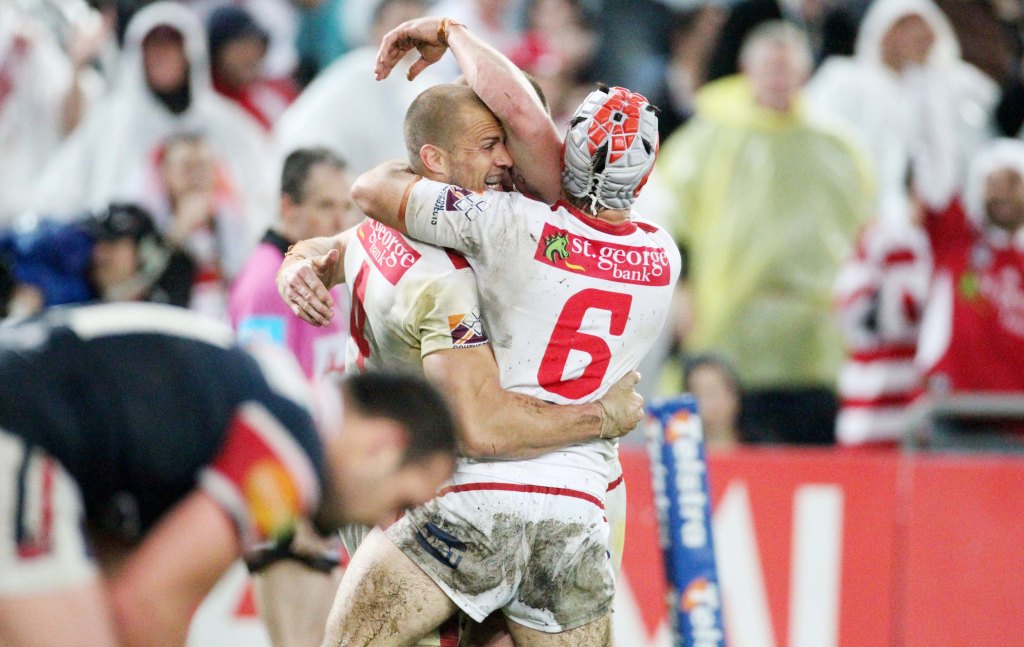
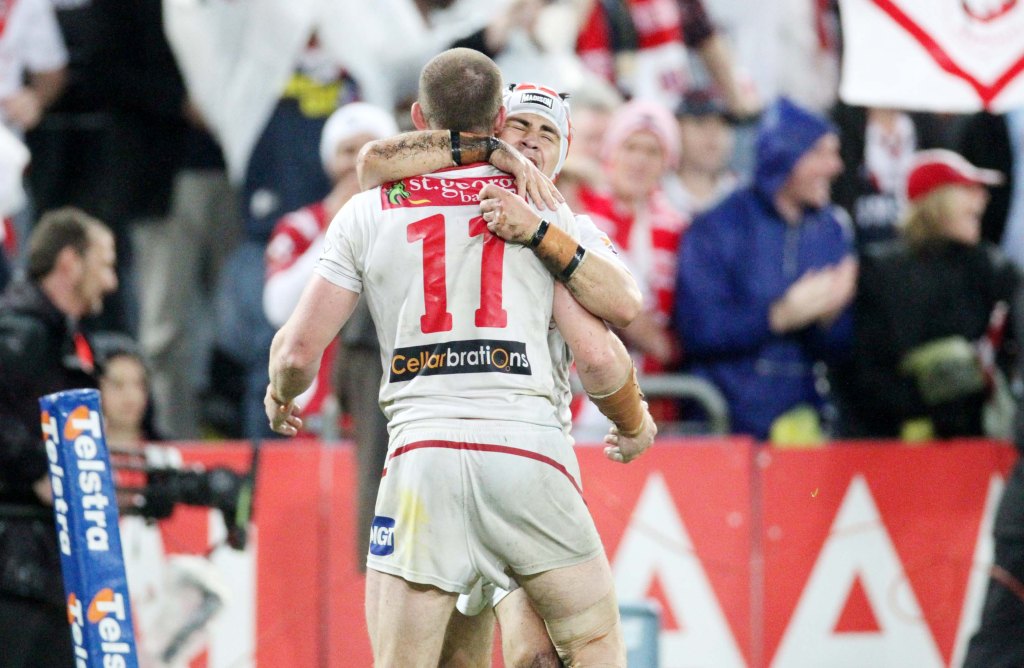
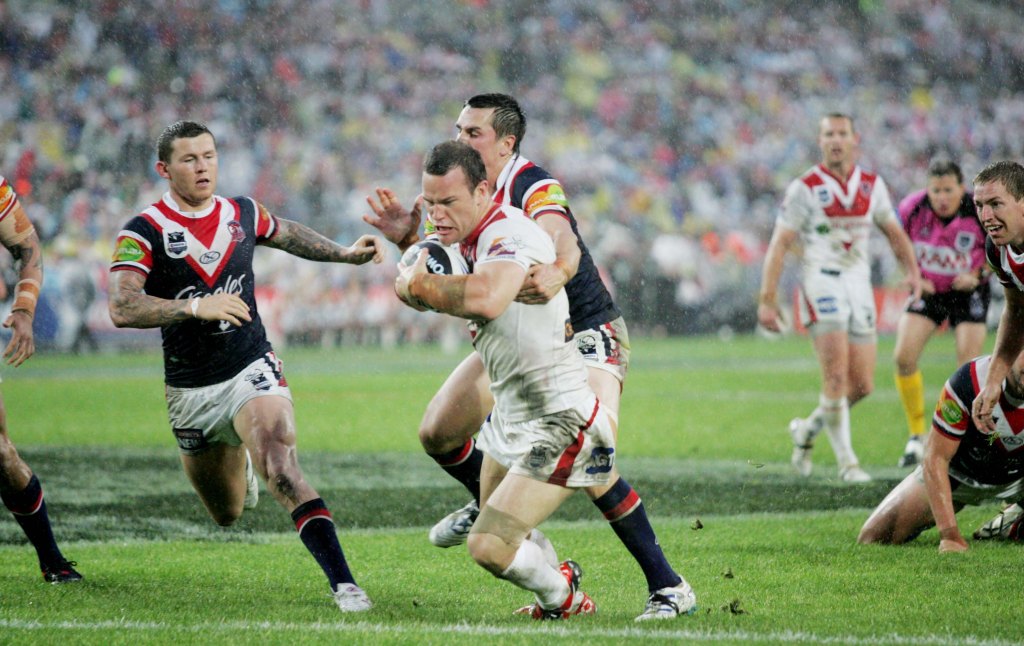
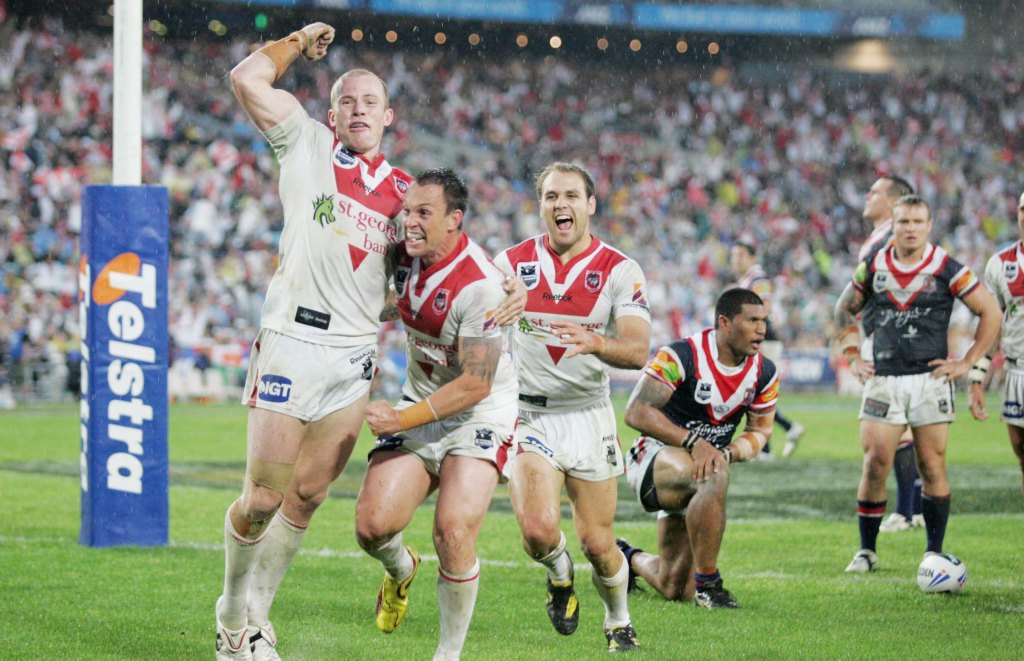
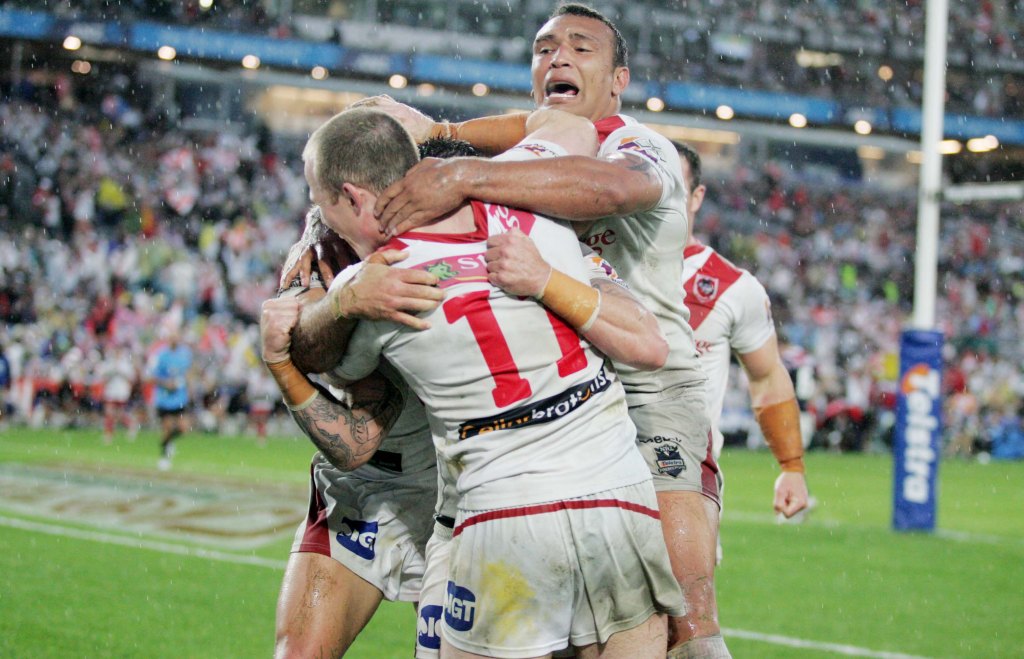
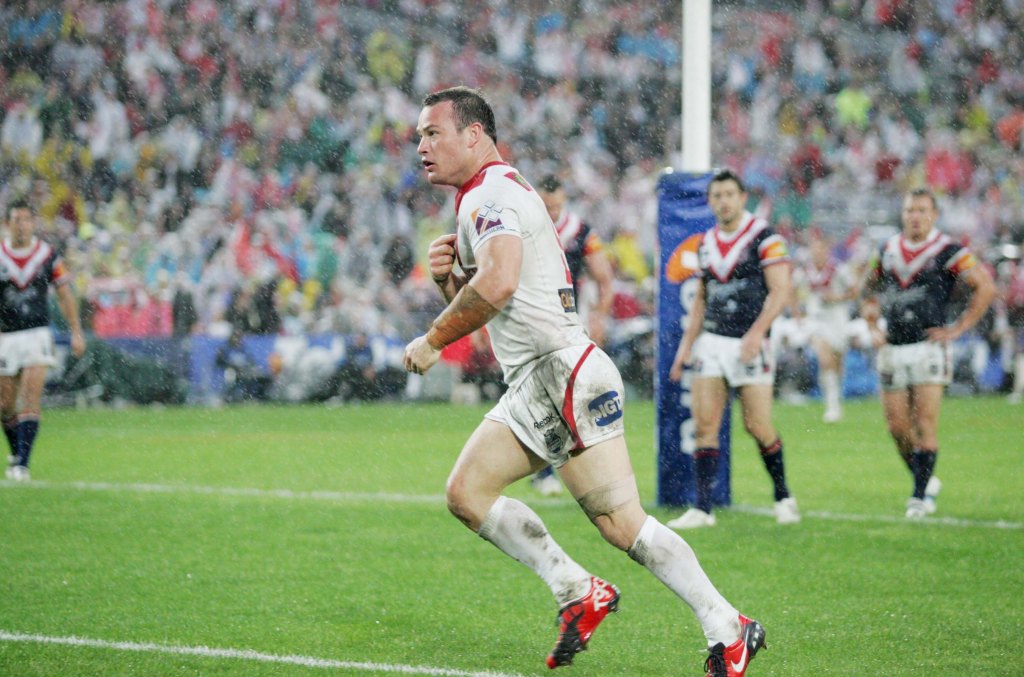
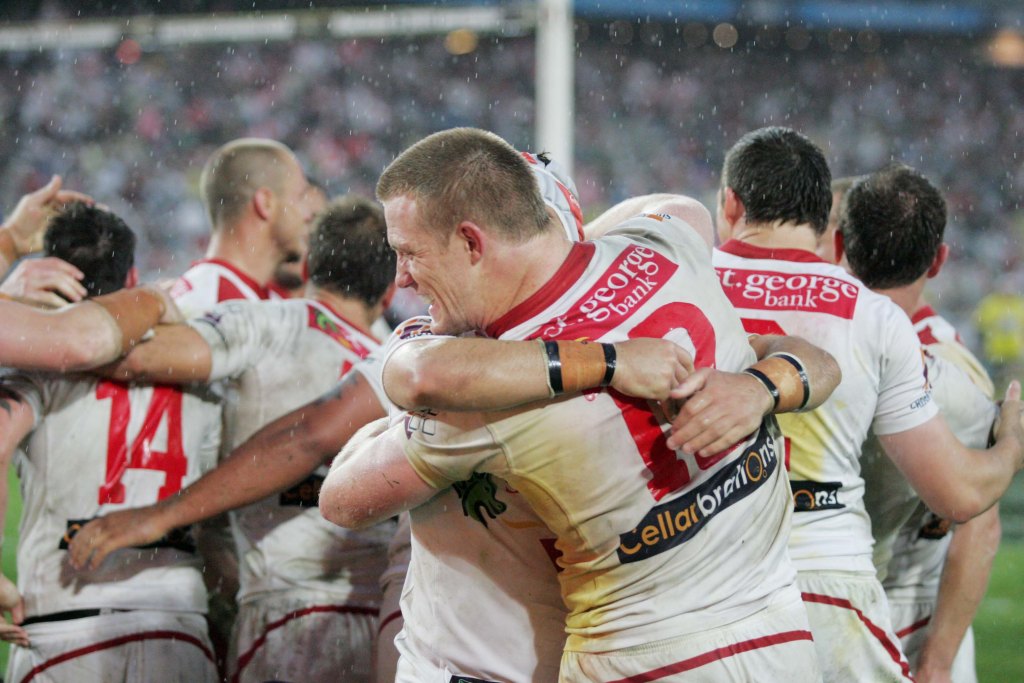
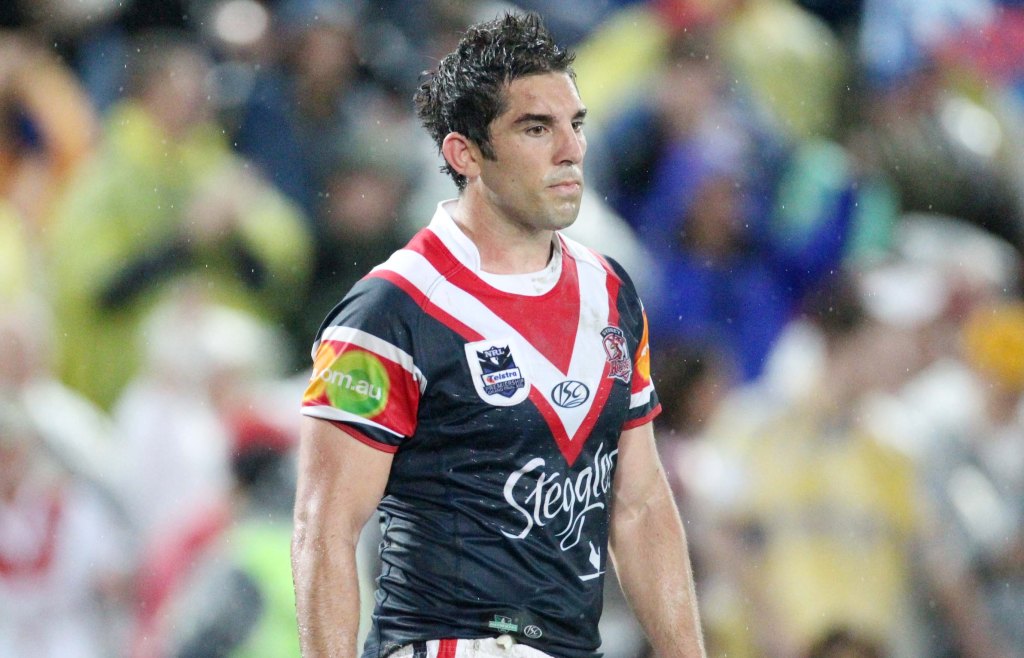
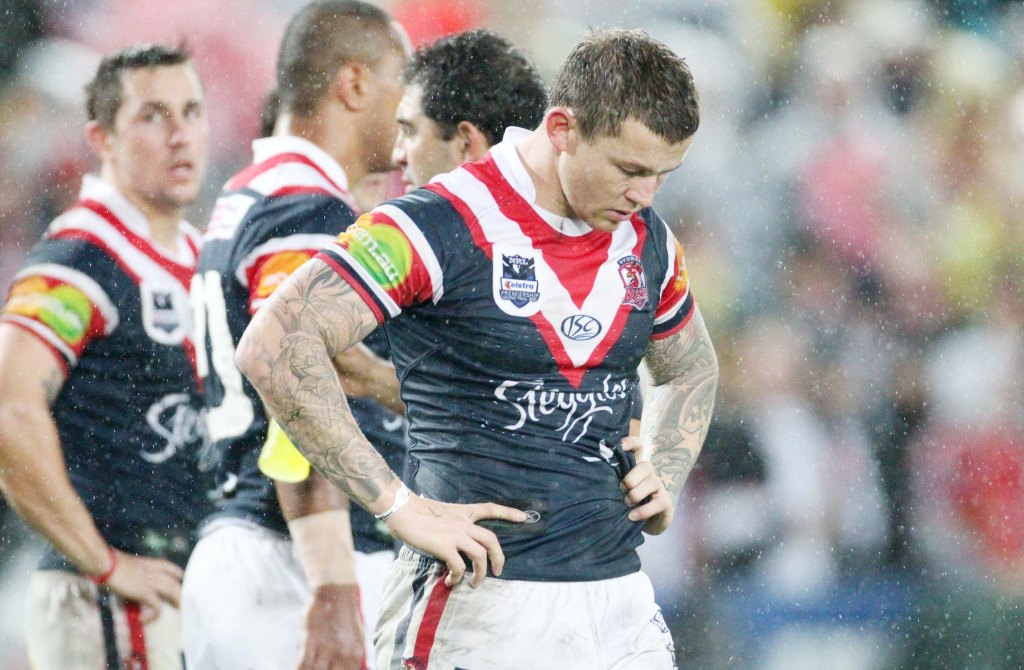
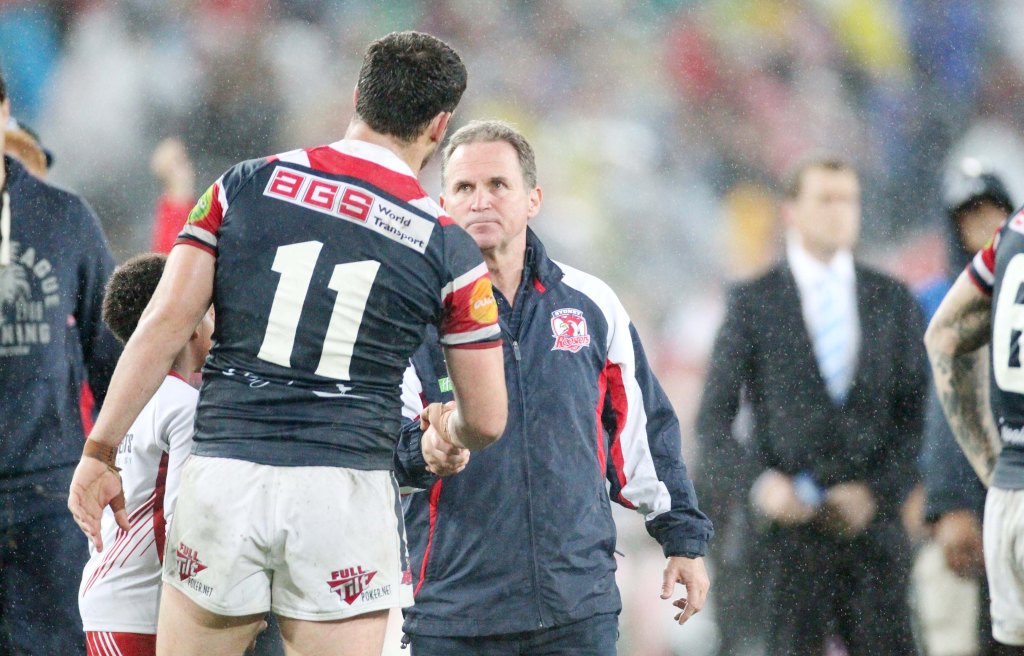
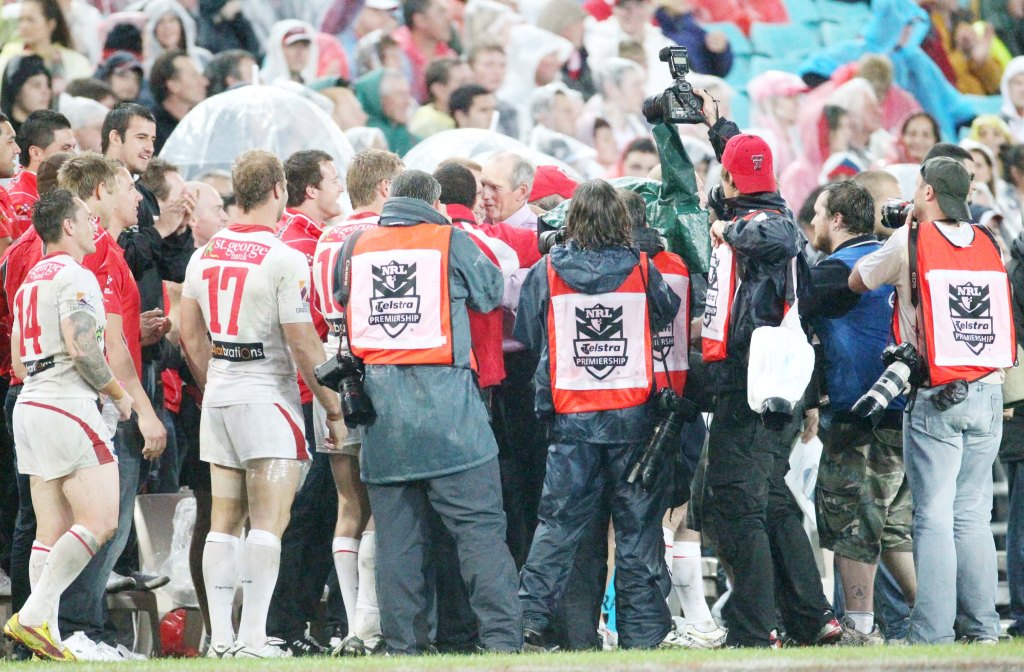
It’s not every day or even every year that you get to photograph a grand final. Especially one as big as when the Dragons finally broke the drought in 2010 against the Sydney Roosters.

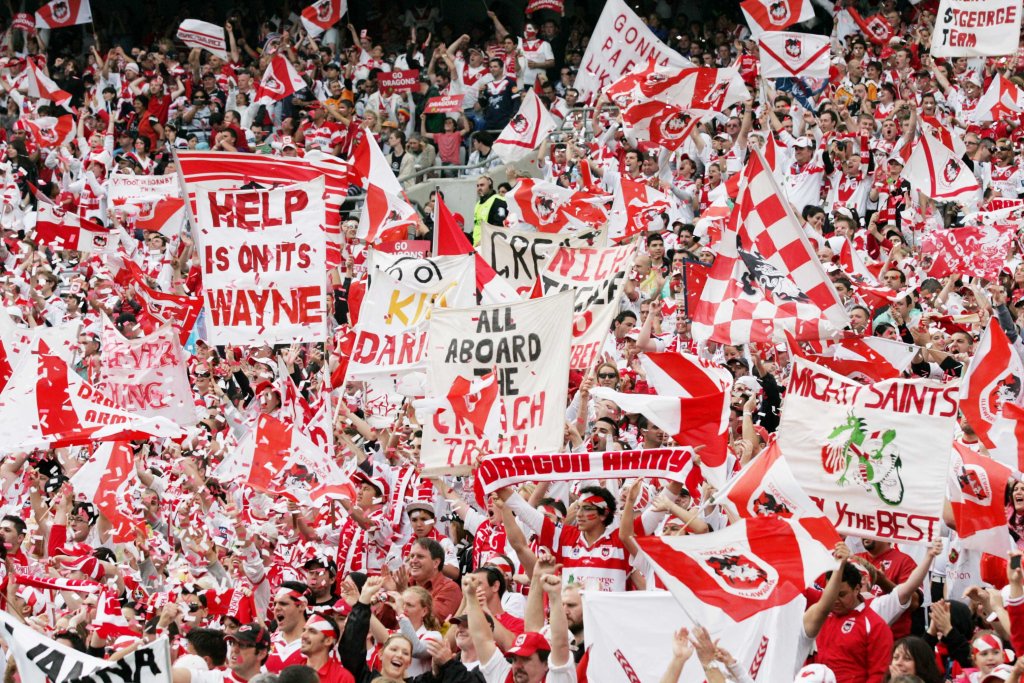
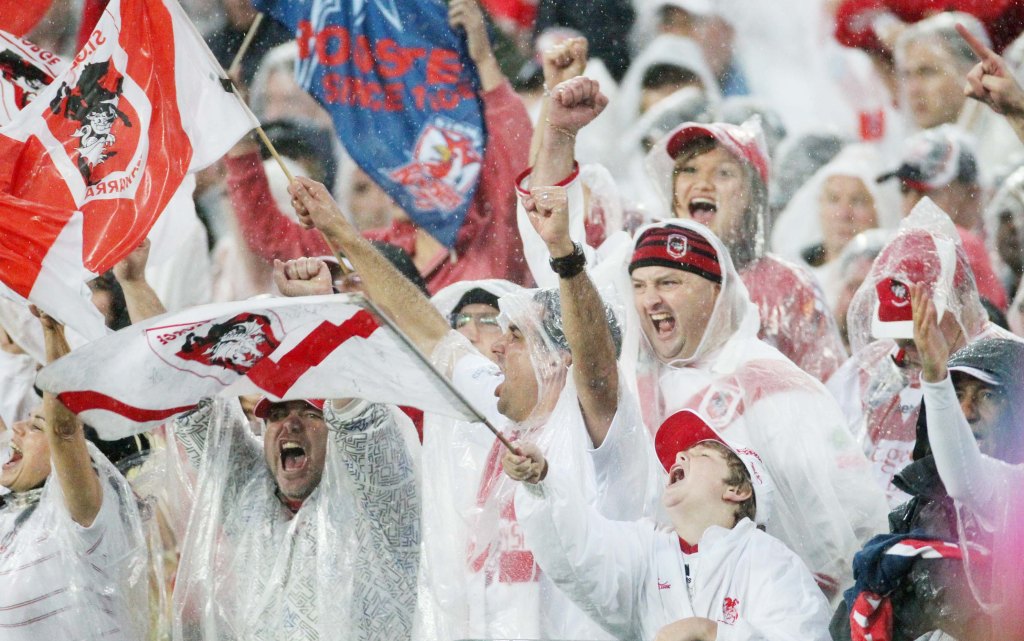
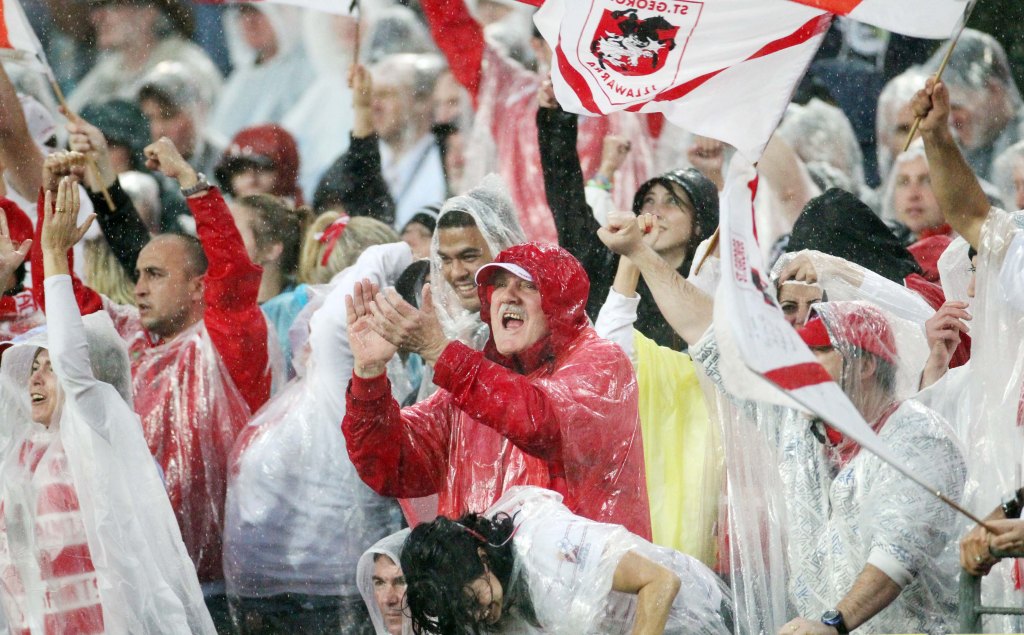
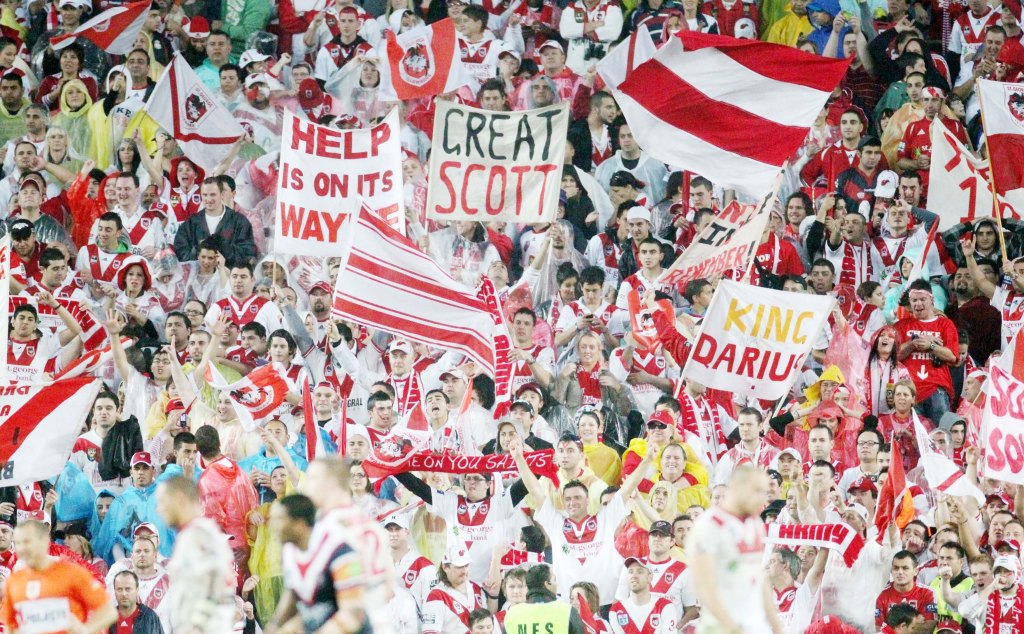
I’ve been fortunate to shoot a fair few NRL grand finals now, but to be there when the master coach Wayne Bennett led the Dragons to victory was a special day for many but none more so then the Red V Army. My main memories of shooting the game were of the second half when the skies turned dark and the heavy rain set in.

A fitting way for the Dragons to win. Dark, wet and defending their way to victory. A great day for pictures and a great day for Dragons fans. Here are my favourites from the day.

The only thing better then shooting a NRL Grand Final is being back at the club after the game. So for part 2 of the Dragons victory I’ll post those pictures of back in Kogarah next.

If you have any memories of that fateful day, I’d like to hear about them below too.

Til next time!

Chris Lane Photographer
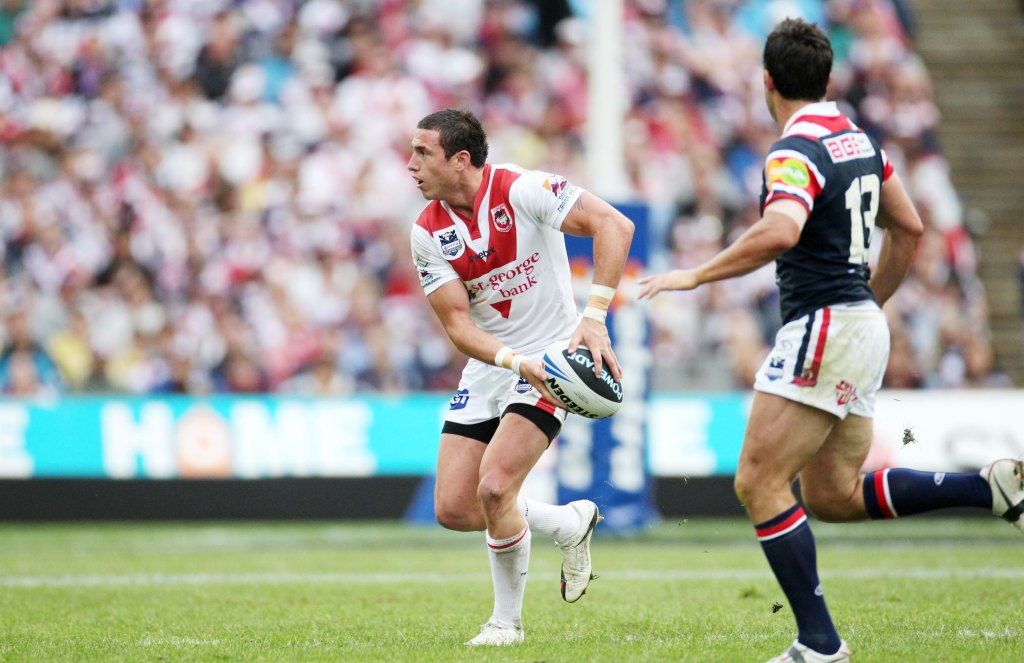
How to Photograph moving objects using Shutter Speed

Freezing fast moving objects really just comes down to one thing.
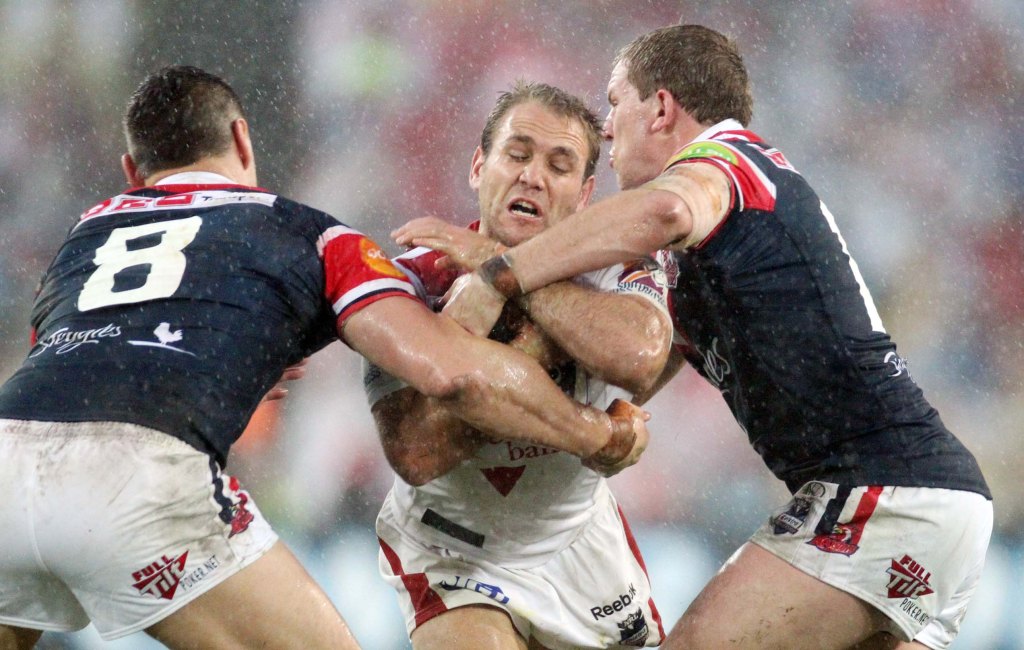
A fast shutter speed.

Basically the faster your shutter speed is the more likely you are to freeze a fast moving object. Whether you are trying to photograph a car, a bike, someone running or even your favourite pet.
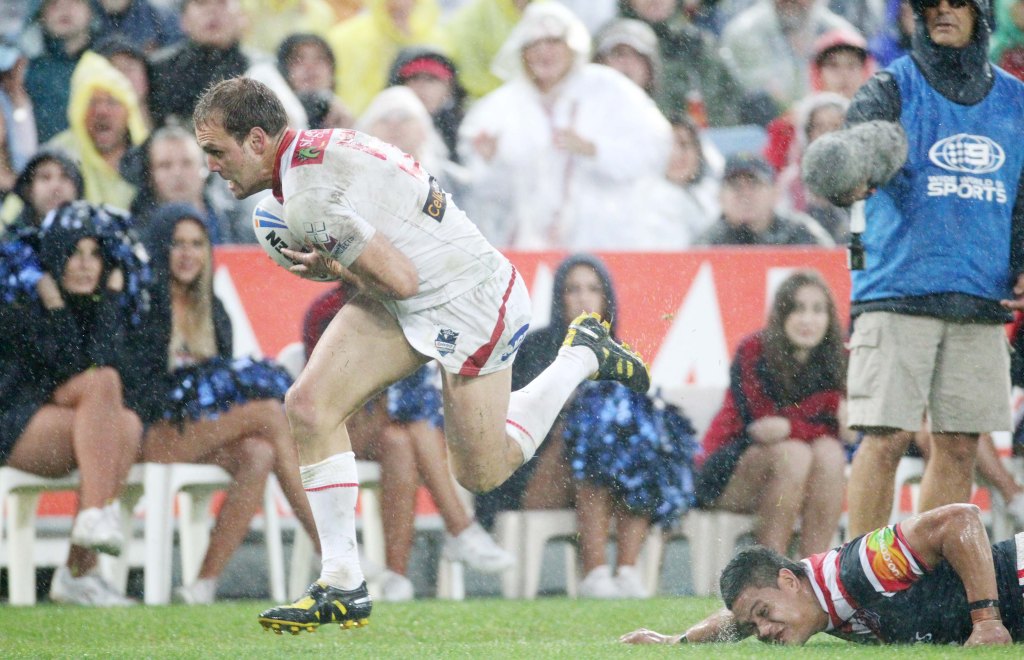
It all comes down to having a fast enough shutter speed to freeze the object.

A slow shutter speed will leave you with a blurry image and a broken heart. So to avoid the sadness of a blurry picture and wondering if you’ll ever master the great thing that is photography. Here are some tips to freeze that object and improve your photo’s.

You’ll need to be shooting with a SLR camera for this one too.

A general rule I’ve used myself in my sport photography career, where I have photographed everything from car racing to bike racing and to multiple ball sports is to use the 1/1000th of a second shutter speed.

Generally a shutter speed of 1/1000th will freeze whatever you are trying to photograph. Above 1/1000 as in 1/2000th and 1/4000th is super fast.

When you go a little slower at 1/125th and 1/60th or 1/30th of a second that’s when you’ll end up with a blurry image.

I don’t think in my 20+ years of photographing sport a shutter speed of 1/1000th has failed to freeze the action.

Some examples here.

Fast Shutter Speed

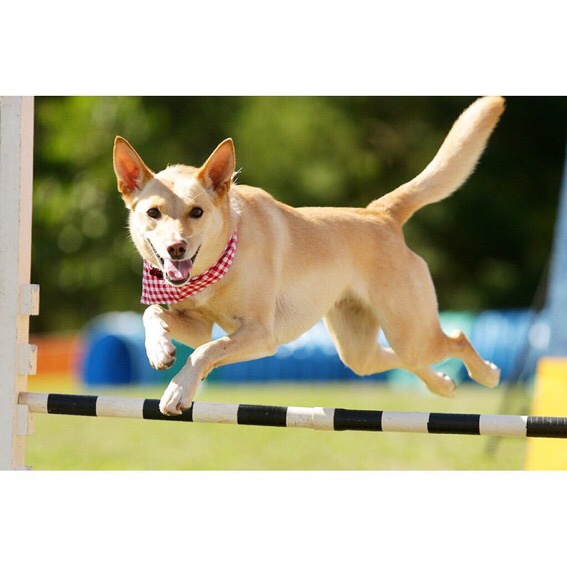
To freeze this cool guy as he jumps over the obstacle I used a shutter speed of 1/2000th of a sec. As you can see he is frozen in time and these sized dogs as cute as they are, they are super fast and be tricky to photograph.

So going above the 1/1000th of a second really helped to guarantee a frozen image.

Slow Shutter Speed

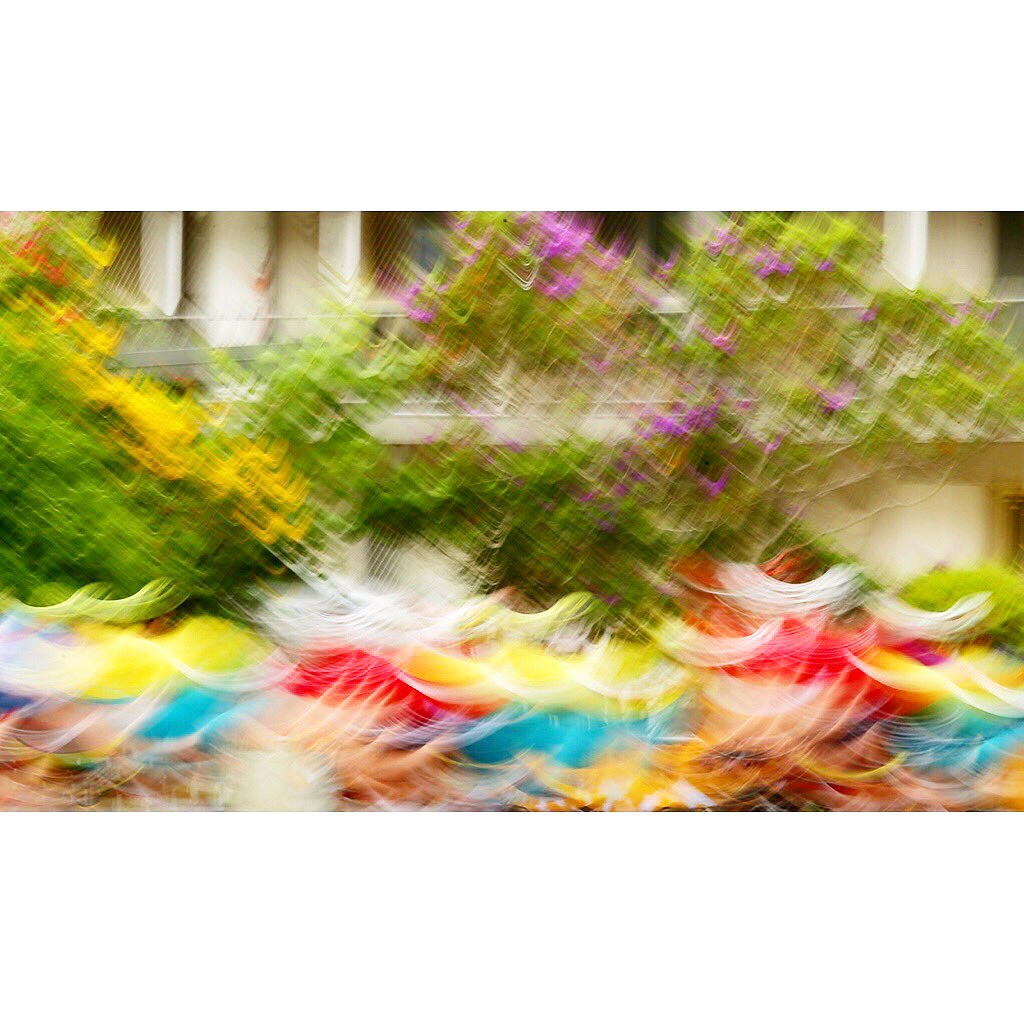
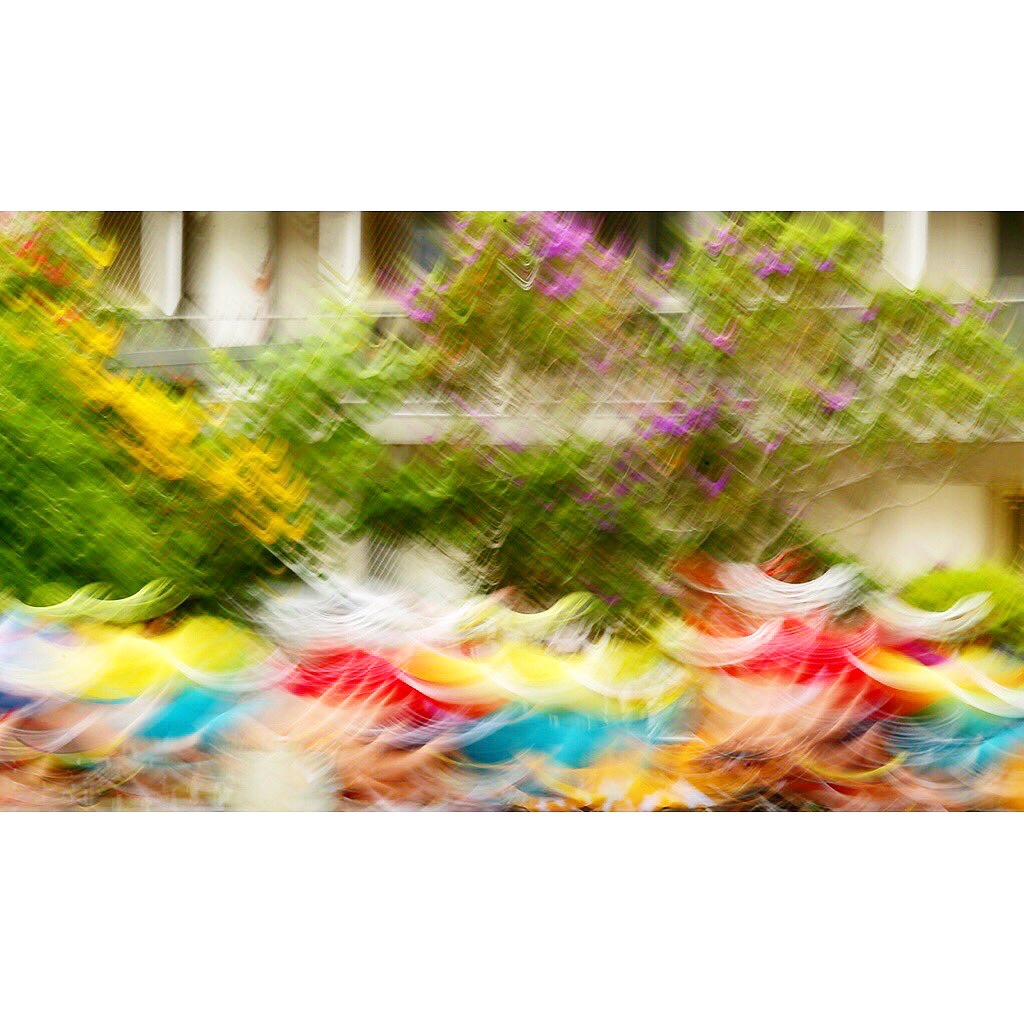
For this picture I purposely used a slow shutter speed of 1/30th of a second. And I also did a little bit of a pan too. A pan is when you follow the subject whilst still shooting.

The colour of the cyclists uniforms was really cool so I wanted to merge the colours a little bit and create a nice blur.

But again if I wanted to freeze the action following the 1/1000th rule would have done that no problem.

Conclusion

So there you have it. A fast shutter speed of 1/1000th or higher (1/2000th etc) will freeze the action. And anything slower (1/500th) will increase the chances of a blurry image.

So aim for a shutter speed of 1/1000th of a second and you’ll enjoy photography that little bit more. Unless you’re looking for a intentional cool blur then you’d aim for that 1/30th setting.

If you have any extra advice for these tips, I’d love to hear them below too.

Til next time!

Chris Lane