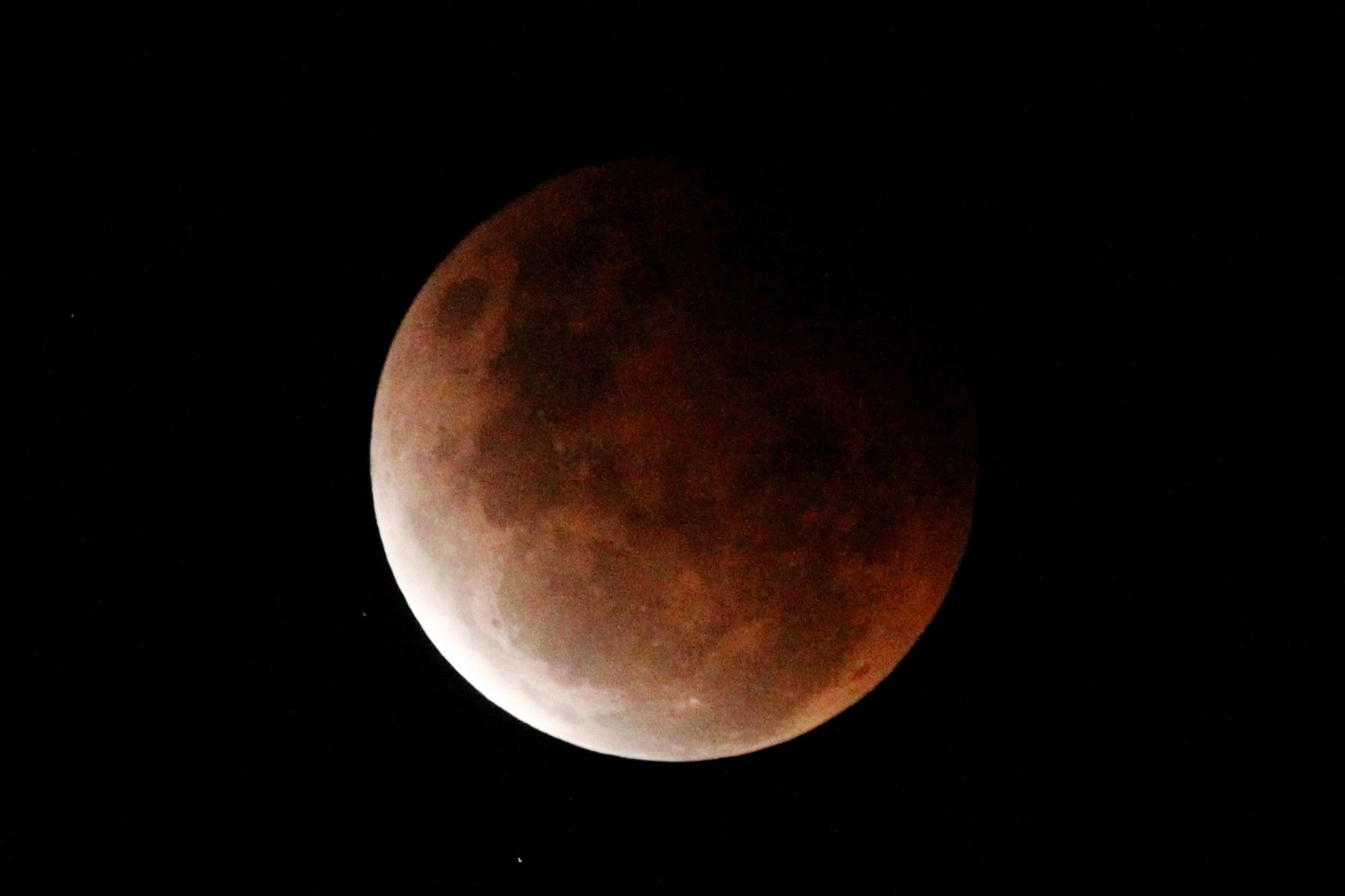

Last weeks Super Blood Moon in Sydney. It doesn’t happen too often when you get both an eclipse and a blood moon. So I guess that’s why they call it a super blood moon.
It was my first time attempting either an eclipse or a blood moon so I was interested to see how easy or hard it would be to photograph. Like everyone, I’ve seen other peoples photographs so I had an idea of how to shoot it but you never know until you have a crack at it yourself.
At around 5:30pm a pretty large and impressive full moon rose from the east as the sun set. I was using a Canon Mark IV Camera and a 400ml lens with a 1.4x converter bringing it to 560ml so it was pretty easy to shoot as the moon was full and nice and bright so my exposure was 1/1000th sec at f/4 and 400 ISO.
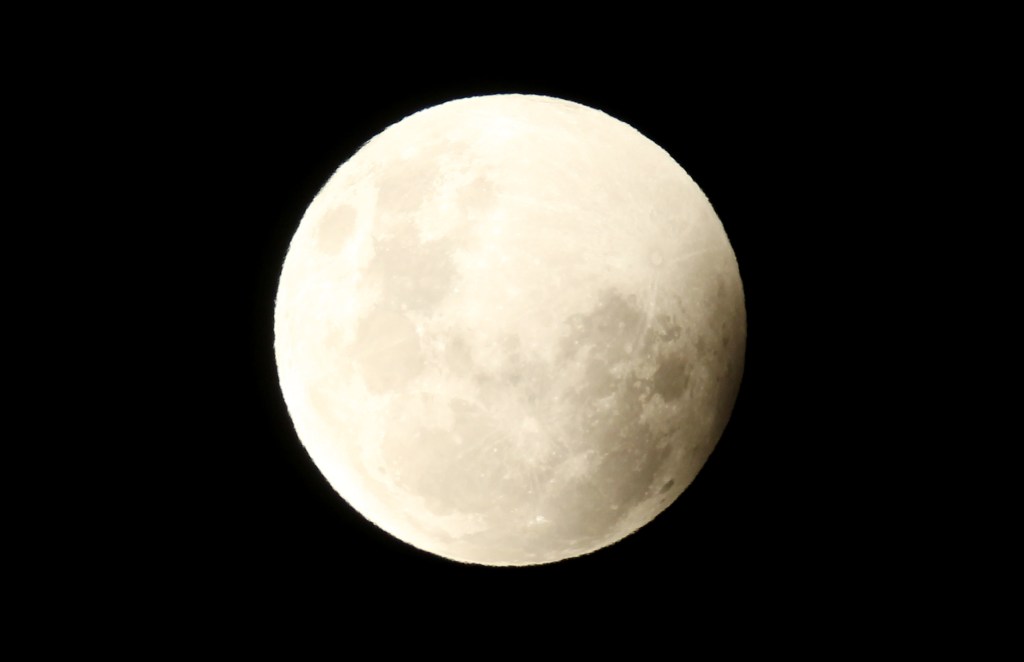
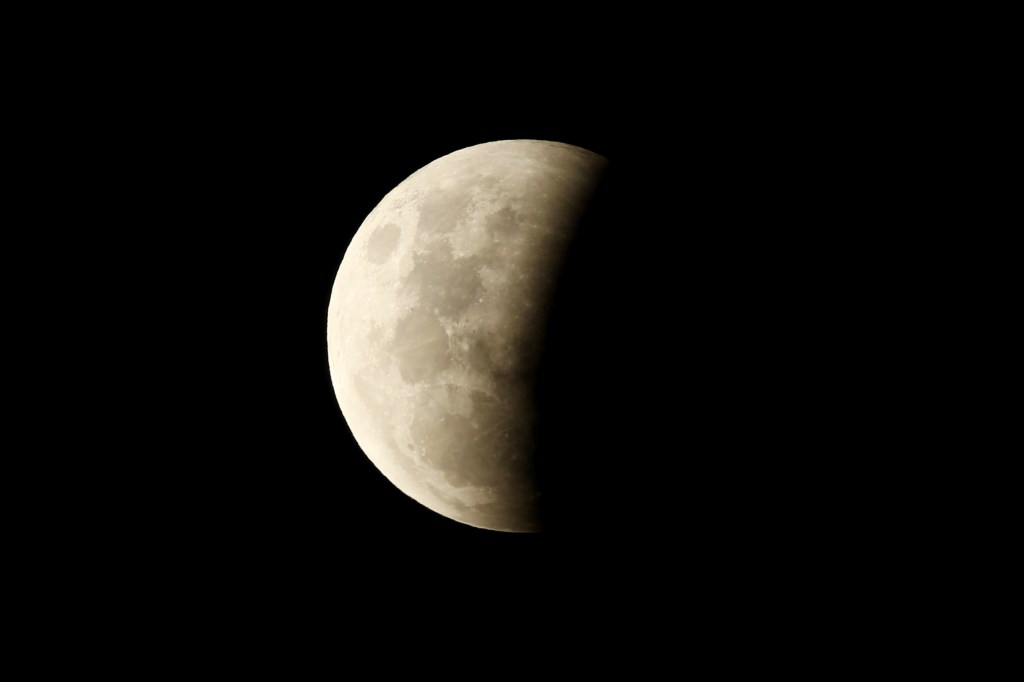
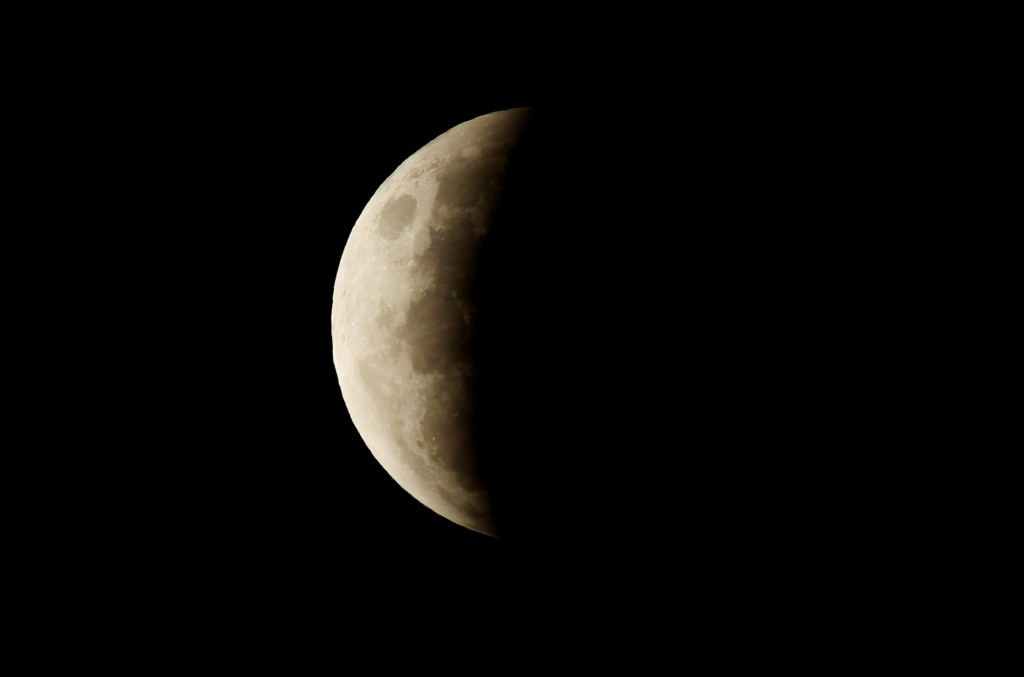
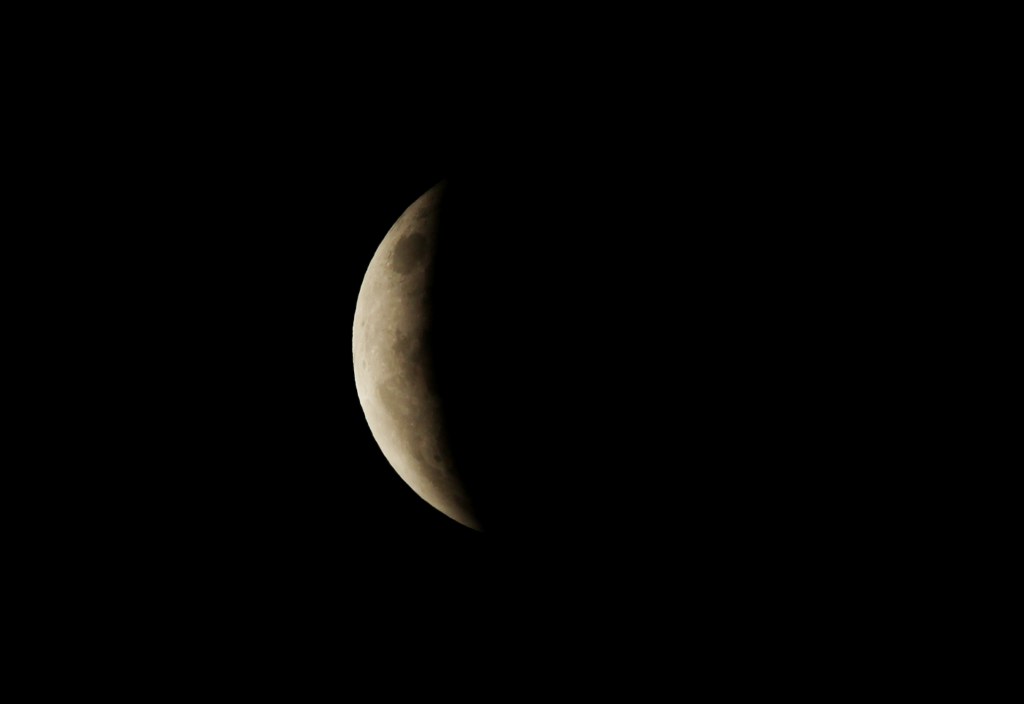
That was the easy part then it got progressively harder, as the nighttime kicked in and the sky turned completely black and by 7:30pm the eclipse now started.
I exposed for the bright part of the moon which was still at 1/1000th sec at f/4 at 400 ISO.
And as the shadow crept across the moon, that exposure stayed the same allowing for a nice exposure for the whole of the eclipse session.
If you tried to expose for the shadow, the moon would then look too bright to see. Almost turning into a light bulb. That’s why it’s important to only expose for the brightest part of the image.
It took around 1.5 hours from the start of the eclipse to the end. A little bit slower than I thought it would be so next time I’ll bring a book.
So that part wasn’t too hard, as long as I kept my same exposure of 1/1000th sec at f/4 and 400 ISO for the duration. It all went well.
Then it got hard.
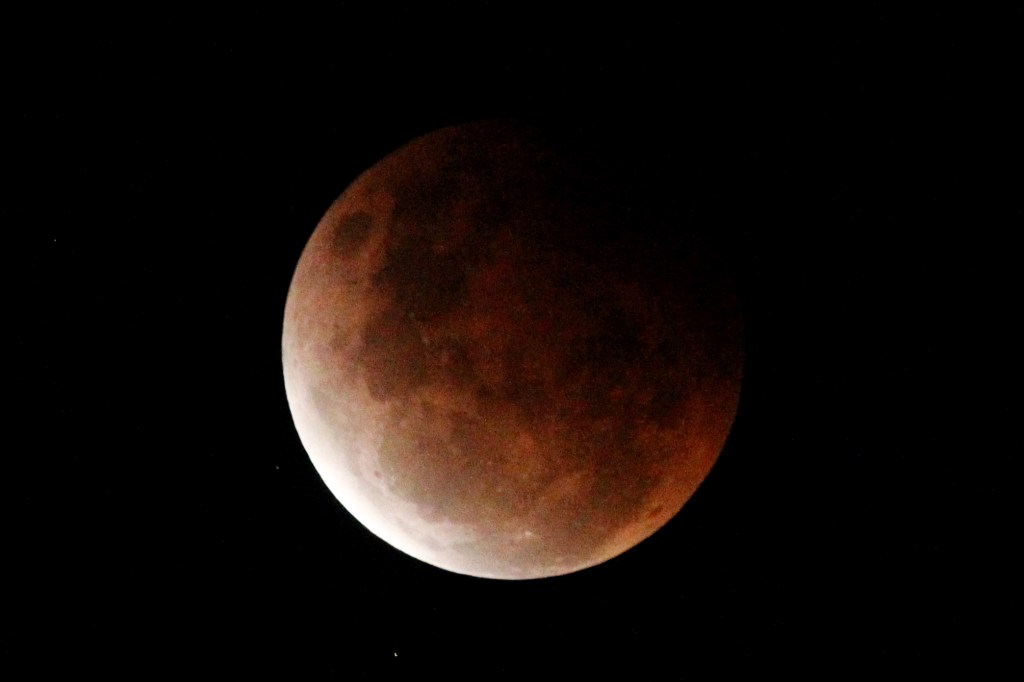
As the moon was now in a complete shadow, obviously when there is no light around things get a little trickier.
And at 9:10pm the Red Moon started, lasting only 15 minutes and going peak red in the middle of that 15 minutes.
So experimenting with a few exposure changes I settled on 1/50 sec at f/4 and 12800 ISO. That’s a pretty big change from the earlier exposure but that what happens when you turn the lights off.
Normally I don’t like to go under 1/100th of a second for any exposure as it increases the chances of camera shake. Especially that I was hand holding a heavy 400ml lens standing on my balcony, the arms can get a little tired. But I was able to hold steady enough to not avoid any camera shake this time.
I was pretty happy with how the shoot all turned out and it was pretty cool to shoot all round. A few things I’d do differently if I was to shoot the red moon again to better help with the final image.
Things I would do differently next time
- Head out to a open park, shooting on my balcony was great but pretty restrictive for space especially when the moon was super high in the sky.
- Shoot with a monopod, as handy as it was handholding the lens because of a lack of space, it hurt my ability to have a lower ISO and having a higher quality final image. I might have been able to keep the ISO under 10000.
- Shoot with a better camera. There’s no way around it that the better the camera the better the image. This was shot on a Canon mark IV. In daylight it’s great but when there is no light a more modern camera would do a even better job. (But when do we not want the latest camera?)
- Bring a book or listen to a podcast. That’s a whole lot of time staring into space and my attention span is normally 15 minutes.
Good times all round and I’ll definitely try it again when it rolls around.
Til next time!
Chris
 Chasing Light by Chris Lane